Tensions in the Middle East have escalated sharply as the deadline for the Hormuz Strait deal approaches, with the United States intensifying its military actions against Iran. Defense Secretary Pete Hegseth recently announced that US forces are conducting more strikes on Iran than at any other time since the conflict began, signaling a significant escalation in hostilities.
The Hormuz Strait, a strategic chokepoint through which a large portion of the world’s oil supply passes, remains at the heart of this crisis. The looming deadline of an agreement intended to ensure freedom of navigation and prevent conflict in the area has yet to be met, raising fears of a potential confrontation.
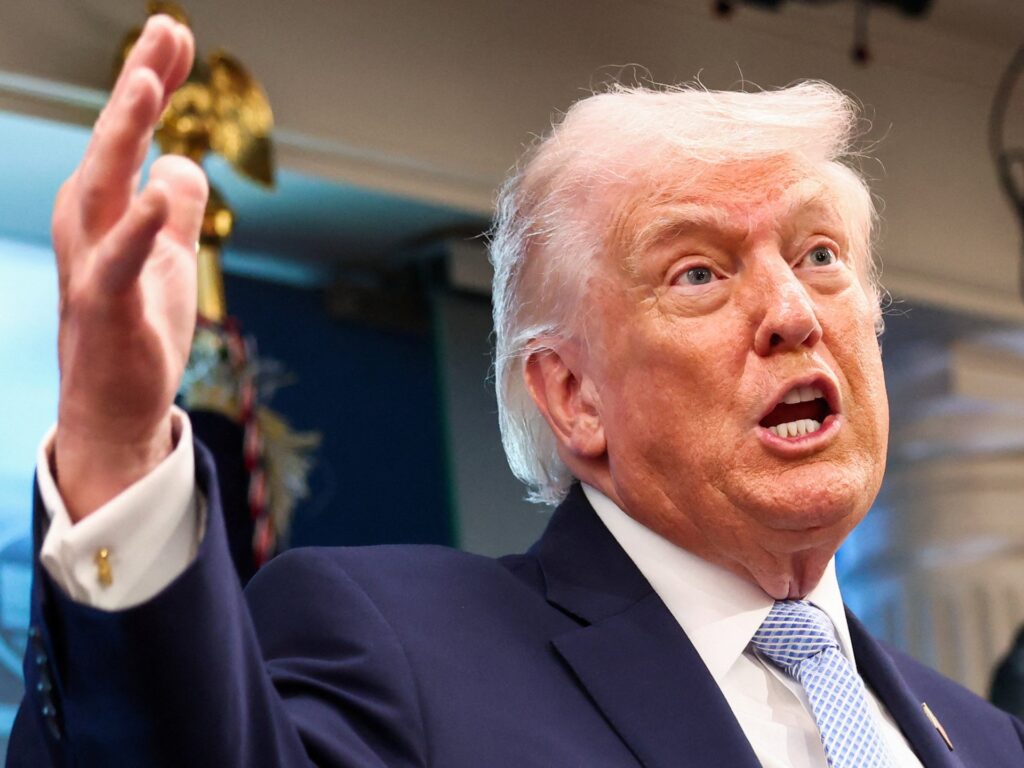
Former President Donald Trump issued a stark warning, suggesting that the US may launch attacks if Iran continues to provoke tensions or threatens security in the region. His remarks underscore the heightened risk of military action and the fragile state of diplomacy amidst the ongoing conflict.
Since the outbreak of hostilities, the US has steadily increased its presence and operations in the region. Defense Secretary Hegseth’s statement highlights the intensity of recent strikes, which are reportedly aimed at deterring further Iranian aggression and disrupting their military capabilities.
The situation remains fluid, with both sides engaged in a high-stakes game of brinkmanship. Iranian officials have vowed to defend their interests and maintain control over the Hormuz Strait, while international actors call for de-escalation and renewed diplomatic efforts.
Analysts warn that any miscalculation or escalation could have wide-reaching consequences for global energy markets and regional stability. The Hormuz Strait is critical for the worldwide flow of oil, and any disruption could lead to soaring prices and economic uncertainty.
As the deadline for the Hormuz deal approaches, global leaders are urging restraint and dialogue. However, the threat of further military action looms large, with the US prepared to intensify strikes and Iran committed to resisting external pressure.
This unfolding crisis highlights the complexities of Middle Eastern geopolitics and the challenges of maintaining peace in a region fraught with historical tensions and strategic rivalries. The international community watches closely, hoping for a peaceful resolution but bracing for the possibility of wider conflict.