In a recent statement, former US President Donald Trump suggested that the United States could consider charging a toll for ships passing through the Strait of Hormuz amid escalating tensions and potential conflict with Iran. Trump characterized the US as the ‘winner’ in the ongoing regional power dynamics and alluded to a strategic concept for exerting control over the vital waterway.
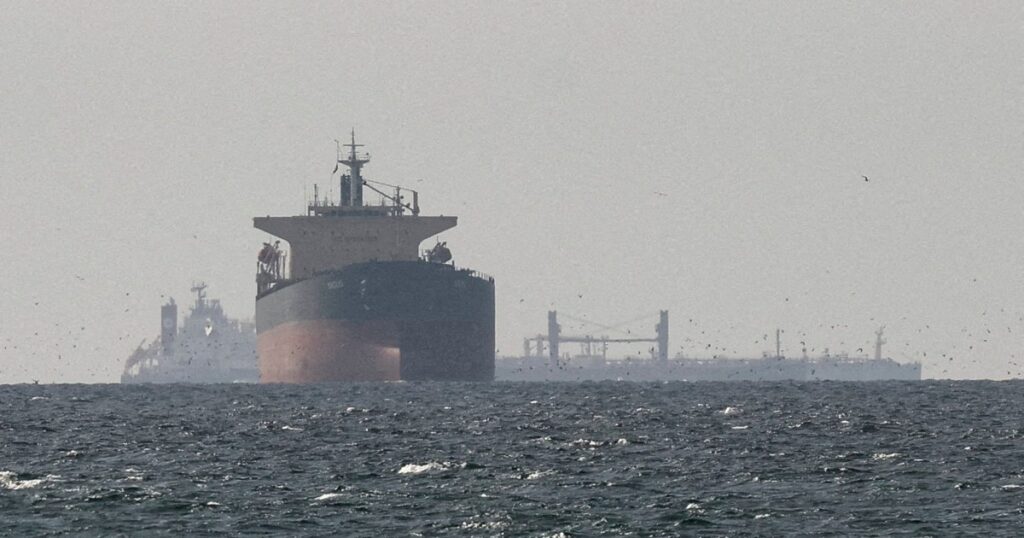
The Strait of Hormuz is one of the world’s most critical chokepoints for global oil transportation, with a significant portion of the planet’s petroleum passing through this narrow channel between the Persian Gulf and the Gulf of Oman. Control over this strait has long been a focal point in geopolitical strategies, particularly involving Iran and Western powers.
Trump’s remarks came during a period of heightened conflict risks between the US and Iran, reflecting a hardline stance on maintaining dominance in the region. The idea of charging a toll for passage is unprecedented in modern times, and it underscores the complex and often tense interactions between the US military and Iran’s forces.
Such a move, if ever implemented, would have enormous implications for international trade and global energy markets. Ships traversing the Strait of Hormuz transport a significant portion of the world’s oil supply, making the waterway essential for economic stability worldwide.
Critics argue that charging a toll may exacerbate tensions, potentially leading to escalations rather than peaceful resolutions. Meanwhile, international maritime law and multilateral agreements typically assure free navigation through such strategic waterways, complicating the legal feasibility of unilateral toll impositions.
Despite the controversy, Trump’s statement reflects a broader strategic posture aimed at reinforcing US presence and influence in the Middle East. It highlights the ongoing strategic chess game over control of critical transit routes that have far-reaching economic and security consequences.
The proposal also sparks discussions on the evolving nature of naval dominance and economic leverage in modern warfare and diplomacy. Analysts note that controlling or influencing transit in key maritime chokepoints gives nations significant bargaining power on the global stage.
As tensions with Iran continue to simmer, and with the US posture described as victorious or dominant in the conflict, the suggestion to charge tolls appears as a signal of potential new strategies for asserting control and influence.
The international community, including allies and trading partners, will closely watch how these declarations unfold and whether they translate into concrete policies or remain rhetorical flourishes amid geopolitical tensions.
For now, the prospect of charging for Strait of Hormuz passage stands as a provocative notion, emblematic of the fraught security environment in the Middle East and the complicated interplay of military power, diplomacy, and economic interests in one of the world’s most sensitive regions.