In a stark escalation of tensions between the United States and Iran, former US President Donald Trump issued a threat to destroy Iranian power plants and key infrastructure, including bridges, by 8 pm on Tuesday if Iran failed to open the Strait of Hormuz. The Strait of Hormuz is a crucial maritime chokepoint through which a significant portion of the world’s oil supply is transported, making it a strategic and highly sensitive international waterway.
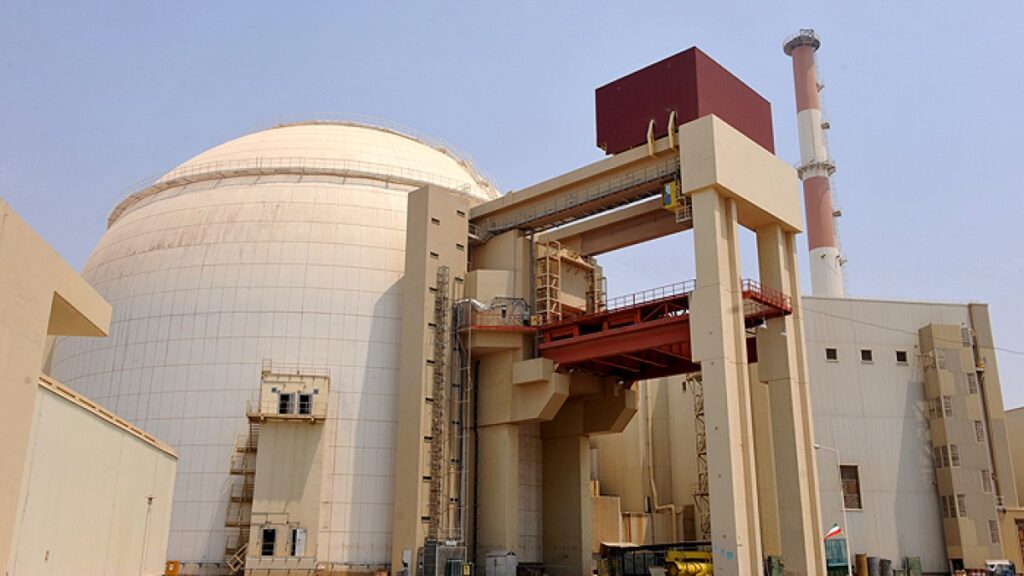
Iran’s power infrastructure comprises several key power plants scattered across the country, many of which are vital for both civilian and military operations. These include major facilities such as the Bushehr Nuclear Power Plant, which is Iran’s only operational nuclear power plant, and other thermal and hydroelectric power plants located in different regions.
Among the notable power plants are:
1. Bushehr Nuclear Power Plant – Located near the Persian Gulf, it is Iran’s primary nuclear facility responsible for power generation.
2. Shazand Power Plant – A large thermal power station in Markazi Province.
3. Karkheh Dam and Hydroelectric Plant – Located in Khuzestan Province, contributing significantly to the region’s electricity supply.
4. Dez Dam and Hydroelectric Plant – Also in Khuzestan Province, powering parts of southwestern Iran.
5. Gilan Combined Cycle Power Plant – Located in northern Iran.
The bridges in question, though not specified by Trump in detail, are likely to include vital transport and infrastructure links critical for military and economic logistics. Iran has numerous strategic bridges over important waterways and mountainous regions that serve as transit points for goods and military movements.
Trump’s ultimatum is a part of his administration’s broader strategy to exert ‘maximum pressure’ on Iran through economic sanctions and the threat of military action, aimed at curbing Iran’s regional influence and nuclear ambitions. The threat to destroy infrastructure, particularly power plants, is designed to cripple Iran’s ability to sustain its economy and military operations.
The international community has expressed concern that such threats escalate the risk of military conflict in a region already fraught with instability. Disrupting critical infrastructure could have devastating humanitarian consequences for Iranian civilians, impacting electricity, water supply, and healthcare services.
Iran has repeatedly stated it will not bow to external pressure and vows to keep the Strait of Hormuz open for international shipping, emphasizing its role as a sovereign entity and a key player in regional geopolitics.
The situation remains tense, with diplomatic channels open but strained, as the world watches closely the developments around the Strait of Hormuz and the broader Middle Eastern geopolitical landscape.