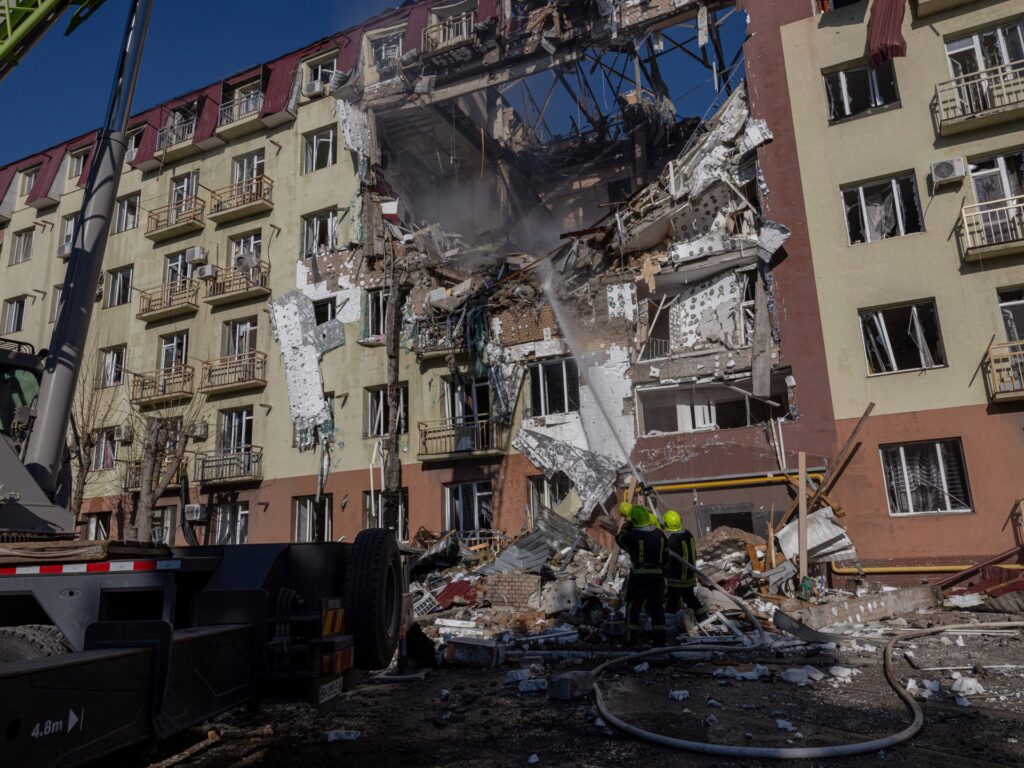
In a significant development amidst the ongoing conflict, Ukraine has intensified its military operations targeting Russian energy infrastructure. The latest attacks have focused on Novorossiysk, a critical Black Sea port city and a major Russian energy hub. This strategic move by Ukraine aims to disrupt the financial channels that fund Russia’s war efforts.
Novorossiysk serves as a pivotal gateway for Russia’s energy exports, including oil and gas, making it an essential component of the country’s economic stability. Ukraine’s targeted strikes on this port represent a calculated effort to hinder Russia’s ability to maintain and finance its military campaign.
The escalation in attacks follows a broader Ukrainian strategy to undermine the economic foundations supporting Russia’s military operations. By focusing on infrastructure such as pipelines, storage facilities, and port terminals, Ukraine seeks to reduce Russia’s revenue from energy exports, which is vital for sustaining its prolonged conflict.
These recent operations in Novorossiysk highlight the increasing sophistication and reach of Ukrainian forces. They demonstrate Ukraine’s capacity to strike deep within territories considered secure by Russia, thereby signaling a shift in the dynamics of the war.
Energy experts warn that disruptions in Novorossiysk could have wider repercussions beyond the immediate conflict zone. Given the port’s role in global energy markets, any sustained damage could affect supply chains and contribute to price volatility worldwide.
The attacks have also underscored the vulnerability of energy infrastructure in conflict zones. Despite stringent security measures, critical assets remain susceptible to targeted strikes, raising concerns about the future security of energy corridors in the region.
Russian authorities have condemned the strikes, vowing to enhance defensive operations around key energy sites. Moscow’s response includes deployment of additional military resources and an increase in surveillance activities to protect its economic interests.
International reactions to the strikes have been mixed. Some countries view Ukraine’s actions as a legitimate defense strategy aimed at curbing Russian aggression. Others express concern over the potential destabilizing effects on the global energy supply and geopolitical tensions.
The Novorossiysk strikes have reignited debates over the role of energy infrastructure in modern warfare. As conflicts increasingly impact critical economic assets, the intersection of military strategy and energy security becomes more pronounced.
Analysts suggest that Ukraine’s continued focus on dismantling Russian energy routes could prolong the conflict by entrenching economic hardships for Russia. However, this strategy may also escalate risks of broader regional instability.
This development is a testament to the evolving nature of warfare, where economic targets are as crucial as military ones. Ukraine’s strategic targeting of Novorossiysk symbolizes a concerted effort to leverage economic vulnerabilities to achieve military objectives.
As the conflict unfolds, monitoring the situation in Novorossiysk will be vital to understanding the broader implications for both regional security and global energy markets. The effectiveness of Ukraine’s strategy and Russia’s countermeasures will likely shape the trajectory of the conflict in the coming months.
In summary, Ukraine’s intensified strikes on Novorossiysk represent a pivotal chapter in the ongoing war, underscoring the critical link between energy infrastructure and military financing. The international community remains watchful as these developments continue to influence the geopolitical and economic landscape.