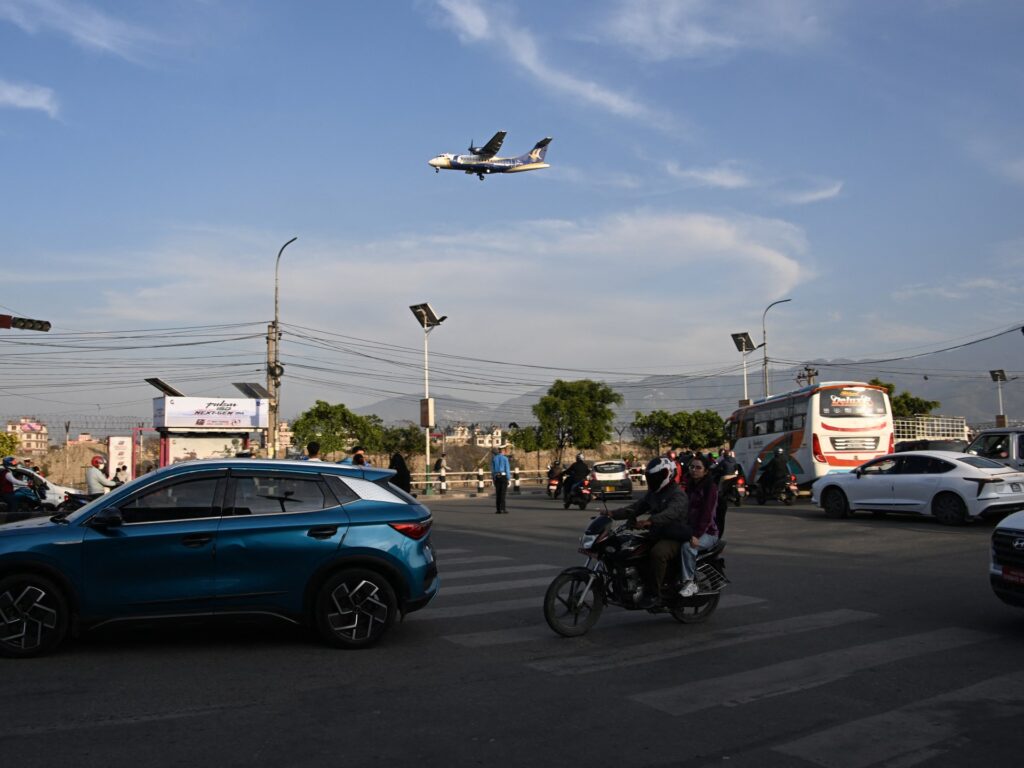
Nepal, the Himalayan nation known for its scenic landscapes and rich culture, has recently announced a significant change in its weekly work schedule in response to an escalating fuel crisis. Previously, Saturdays served as the sole day off for most Nepali workers and citizens, but now the government has declared a two-day weekend. This drastic measure comes as the country struggles with severe fuel shortages primarily attributed to geopolitical tensions and conflict involving Iran.
Fuel is a vital resource underpinning the transportation and energy sectors of Nepal. Unlike some nations with abundant natural resources, Nepal relies almost entirely on fuel imports from neighboring India. The conflict in Iran has severely disrupted global energy supply chains, leading to sharp reductions in fuel availability and soaring prices. With limited alternate sources or reserves, Nepal has been deeply affected by these external shocks.
The decision to extend the weekend by adding Fridays off aims to reduce overall fuel consumption. By limiting travel and industrial activity on an additional day, the government hopes to conserve scarce fuel supplies and ease the burden on the country’s infrastructure. This policy not only affects workers and businesses but also signals a broader need for sustainable management of limited resources under crisis conditions.
Economic impacts of the extended weekends are complex. While reduced workdays may hinder productivity and economic output, they could also alleviate operational costs and help maintain essential services during shortages. Moreover, this situation highlights the vulnerability of Nepal’s energy dependence and the pressing need for diversification of energy sources and suppliers.
Public response to the new schedule has been mixed. Some citizens appreciate the extra day off as an opportunity for rest and family time, while others express concern about potential income loss and disruptions to routine. Businesses, particularly in sectors like hospitality and retail, face uncertainty as they adjust to changing consumer patterns.
Experts suggest that in the long term, Nepal must invest in renewable energy sources, infrastructure development, and regional cooperation to mitigate such crises. Enhancing energy efficiency, boosting domestic resources, and developing alternative fuel pathways can reduce dependency on a single supplier and increase resilience.
The fuel shortage serves as a poignant reminder of how international conflicts can ripple across borders, impacting everyday life far beyond the initial zones of turmoil. Nepal’s proactive but temporary measure of instituting two-day weekends underscores the pressing interconnection between geopolitics and local livelihoods.
As the Iran war continues without immediate resolution, Nepal and similar countries face difficult decisions balancing economic stability, social well-being, and resource conservation. The evolving situation will require ongoing monitoring, adaptive strategies, and international collaboration to ensure sustainable development and energy security in this sensitive Himalayan region.