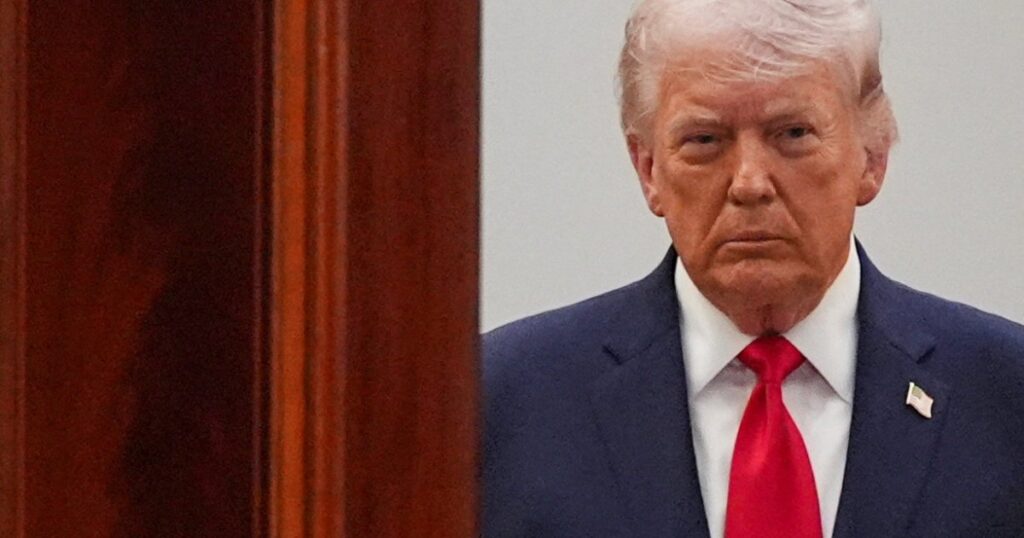
In a recent and intense escalation of rhetoric, US President Donald Trump has issued a stark warning to Iran, threatening severe military actions as tensions around the strategic Strait of Hormuz continue to rise. The President’s threat came through a forceful and expletive-laden social media post, where he warned Iran of potential strikes on critical infrastructure including power plants and bridges, marking a significant escalation in the already fraught geopolitical landscape.
The Strait of Hormuz, a narrow passage that is a vital conduit for global oil shipments, has long been a flashpoint in US-Iran relations. The President’s statement appears timed with an impending Tuesday deadline, although the specific context or nature of this deadline was not detailed in his message. This declaration has raised alarm both within the region and internationally, given the potential for disruption of one of the world’s key maritime chokepoints.
Trump’s aggressive stance comes amid ongoing disputes over Iran’s nuclear program and its activities in the Middle East, which the US has consistently criticized. The administration has previously orchestrated economic sanctions aimed at curbing Iran’s capabilities and influence. However, the current threat to engage in direct military strikes represents an escalation that might significantly heighten the risk of conflict.
Analysts suggest that President Trump’s use of vivid and highly charged language serves to underscore his administration’s resolve but also risks hardening Iran’s stance, complicating diplomatic efforts. The threat to strike essential infrastructure such as power plants and bridges is particularly noteworthy, as it implies an intention to weaken Iran’s internal capabilities and may lead to extensive humanitarian and economic consequences.
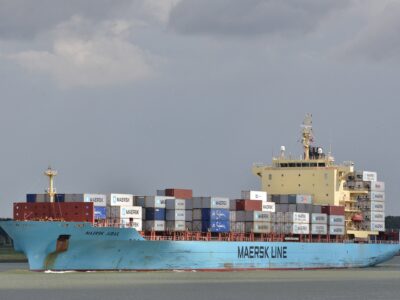
The US has reiterated its commitment to protecting international shipping lanes, especially the Strait of Hormuz, through which a significant portion of the world’s oil supply passes. Disruptions in this area could lead to increased oil prices globally and potential instability in international markets.
The international community has called for restraint and urged both parties to pursue diplomacy over military confrontation. Regional allies and global powers alike have expressed concern about any action that could escalate tensions or lead to broader conflict.
As the Tuesday deadline draws near, the world watches closely to see whether President Trump’s threats will translate into military action or if cooler heads will prevail in preventing a crisis. The situation remains fluid and critical, with implications far beyond the immediate region, impacting global security and economic stability.
In summary, President Trump’s recent threat to Iran marks a dangerous intensification in US-Iran relations centered around the critical Strait of Hormuz. With potential strikes targeting vital infrastructure, the risk of conflict looms large amid already strained diplomatic ties. The coming days will be pivotal in determining the future trajectory of this tense standoff.