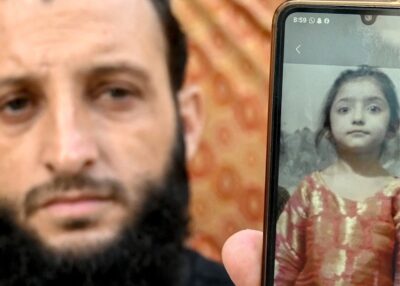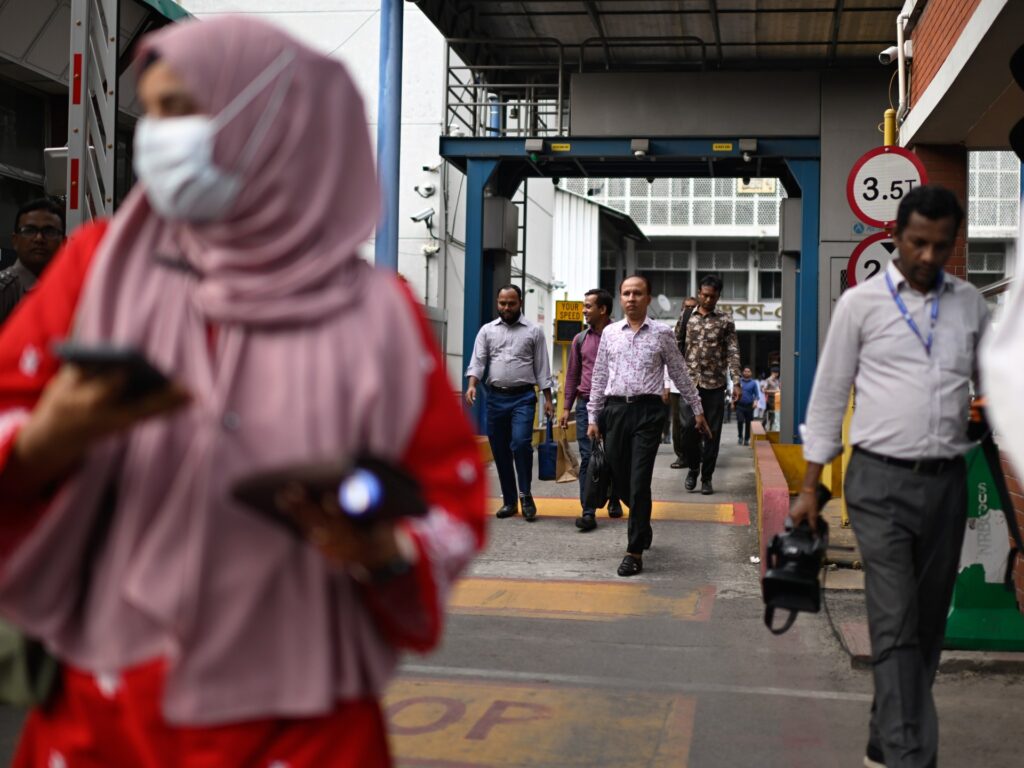
A suspected measles outbreak in Bangladesh has tragically claimed the lives of nearly 100 children, according to recent data released by the country’s Health Ministry. The outbreak has primarily affected children aged six months to five years, with the number of suspected measles cases rising alarmingly to 6,476.
Measles, a highly contagious viral disease, can lead to serious complications, especially in young children who are not vaccinated. Common symptoms include high fever, cough, runny nose, inflamed eyes, and a characteristic red rash. In severe cases, measles can result in pneumonia, encephalitis, and even death.
The surge in cases has raised significant concerns among health officials and the public, triggering urgent calls for increased vaccination efforts and improved healthcare responses. Immunization remains the most effective way to prevent measles, and health authorities are striving to ramp up their vaccination campaigns to curb the outbreak.
Bangladesh’s dense population and challenges in healthcare infrastructure complicate containment efforts. Malnutrition and coexisting health problems in children further exacerbate the fatal impact of the disease.
The Health Ministry has appealed for international support and resources to manage the crisis effectively. They are also working to enhance disease surveillance systems to detect and respond to outbreaks more swiftly.
Medical facilities in affected regions are reportedly overwhelmed, with increased demands for pediatric care and emergency responses. Efforts are underway to provide additional medical supplies, including vitamin A supplements known to reduce measles complications.
Public health experts emphasize the importance of community awareness campaigns to educate guardians on early symptoms and the critical need for timely medical intervention.
This outbreak highlights the ongoing risks posed by vaccine-preventable diseases in vulnerable populations. It underscores the necessity of sustained investment in public health infrastructure, vaccination programs, and emergency preparedness to protect children’s health.
Immediate measures, including mass immunization drives and enhanced healthcare delivery, are crucial to prevent further loss of life. The government and partners continue to evaluate the situation closely, aiming to contain the outbreak and prevent future occurrences.
As the response continues, the international health community watches closely, recognizing that controlling measles in Bangladesh is vital for regional and global health security. Increased cooperation and resource allocation will be key to overcoming this health emergency.
In summary, the suspected measles outbreak in Bangladesh poses a severe threat to young children, with nearly 100 fatalities reported. The surge in cases calls for urgent and coordinated public health actions to safeguard the affected population and prevent similar crises in the future.