In the latest developments of escalating tensions in the Middle East, former U.S. President Donald Trump has vowed to launch strikes against Iran’s power plants and bridges in response to the closure of the strategic Strait of Hormuz. This comes as Tehran claims responsibility for shooting down two U.S. C-130 planes and two helicopters, marking a significant intensification in hostilities.
The Strait of Hormuz, a vital maritime chokepoint through which a significant portion of the world’s oil supply passes, has become the focal point of increasing conflict. Iran’s recent blockade and military actions have led to widespread fires across Gulf nations, severely disrupting oil transportation and regional stability.
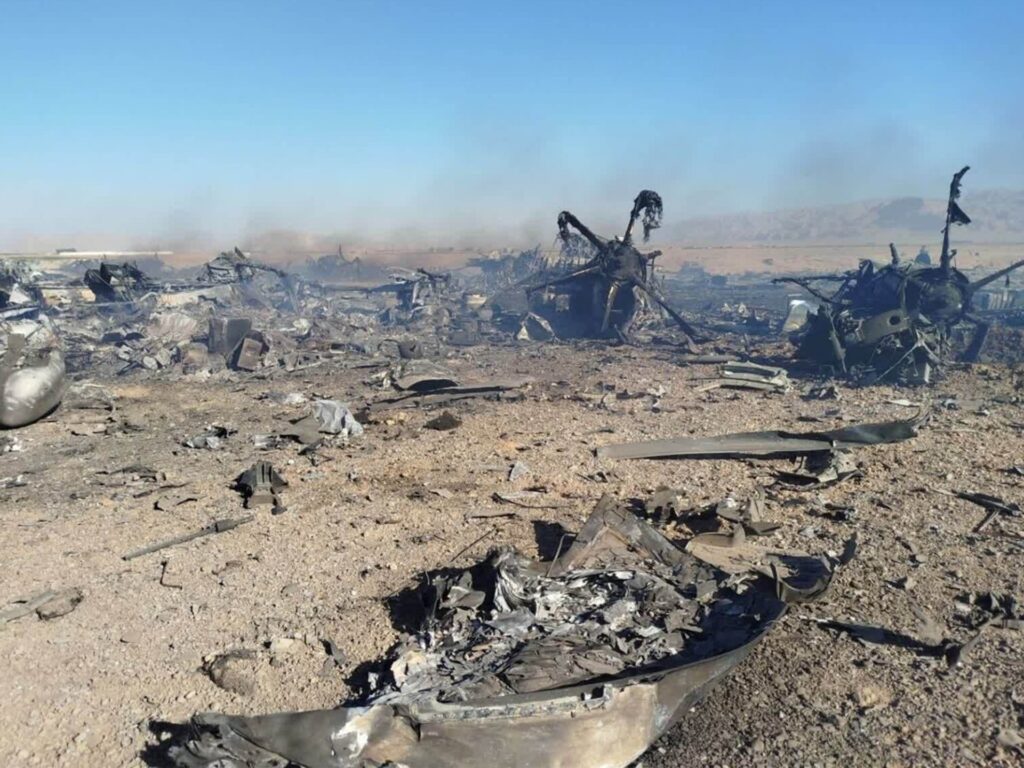
According to Iranian officials, their forces successfully downed two U.S. C-130 military aircraft and two helicopters in a series of confrontations. The U.S. has yet to confirm these claims, but the assertions have further heightened fears of a broader military conflict.
Donald Trump’s declaration to target Iran’s critical infrastructure—specifically power plants and bridges—signals a potential escalation into a more destructive phase of the conflict. Such attacks could severely impair Iran’s economic capabilities and its ability to maintain its military operations.
The international community remains on high alert as diplomatic efforts to de-escalate the situation appear to be faltering. Economic ramifications are already being felt globally, especially in oil markets where prices have surged due to fears about supply disruptions from the Gulf region.
Analysts suggest that the situation is precariously close to spiraling into an open conflict, which could draw in multiple nations due to alliances and regional security commitments. The U.S. has reiterated its commitment to maintaining freedom of navigation through the Strait of Hormuz and protecting its assets and allies in the region.
Iran’s strategic use of its military capabilities to assert dominance in the Gulf highlights the complexities of the ongoing geopolitical struggle, involving regional powers and global interests. Civilians in the gulf nations are bearing the brunt of these confrontations, with infrastructure damages and economic instability impacting daily life.
In summary, the conflict between Iran and the United States has entered a critical and dangerous phase, with aggressive military posturing and retaliatory threats escalating tensions. The world watches closely as the situation unfolds, hoping for diplomatic interventions to prevent a wide-scale war that could have devastating consequences not only for the Middle East but for global peace and security.