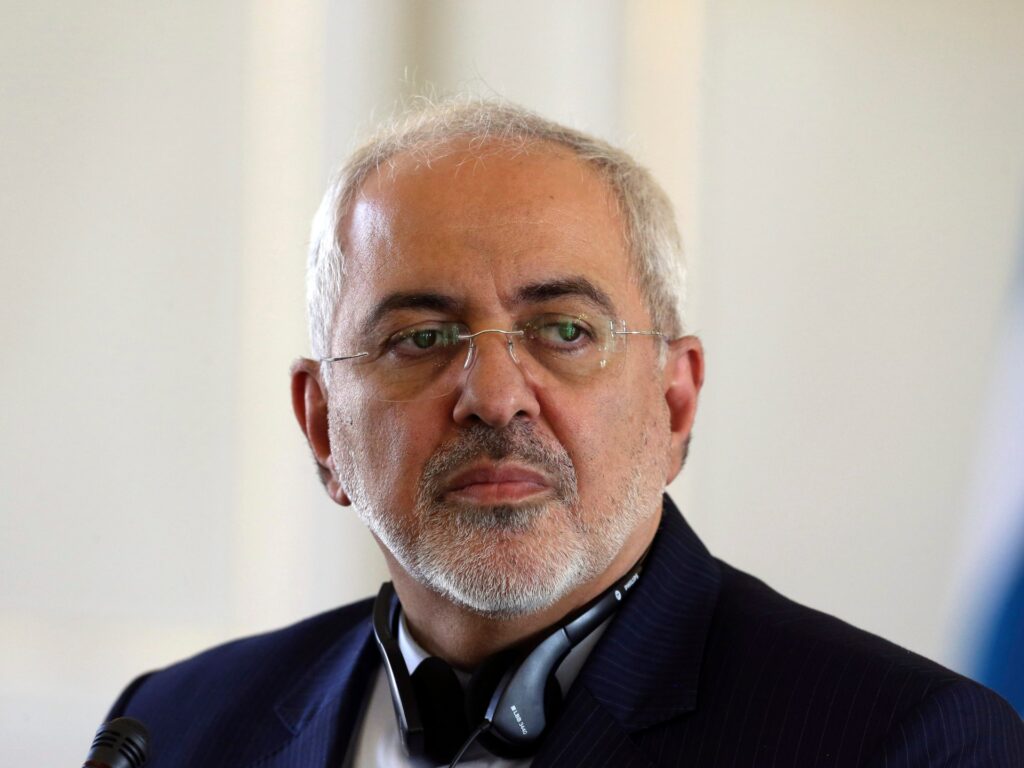
Former Iranian Foreign Minister Mohammad Javad Zarif has put forward a new peace initiative aimed at easing tensions in the Gulf region. Zarif’s proposed roadmap involves setting limitations on Iran’s nuclear program coupled with the reopening of the strategically vital Strait of Hormuz. In exchange, Zarif advocates for the lifting of economic sanctions imposed on Iran.
The Strait of Hormuz, a critical maritime chokepoint for global oil shipments, has long been a flashpoint in regional security. Its reopening signals a move toward restoring economic stability and safeguarding international shipping lanes. Zarif’s plan envisions a framework where Iran’s nuclear activities would be curtailed under international oversight to ensure compliance with global non-proliferation standards.
This initiative comes at a time when relations between Iran and the Gulf Cooperation Council (GCC) members remain strained. Gulf states have expressed deep concerns regarding Iran’s nuclear ambitions and regional influence. Many Gulf leaders have highlighted a significant erosion of trust due to years of geopolitical confrontations, proxy conflicts, and mutual suspicions.
Despite these challenges, Zarif’s roadmap proposes dialogue and negotiation as pathways to rebuild confidence. The economic sanctions, which have heavily impacted Iran’s economy, are a key sticking point. Zarif argues that their removal could incentivize greater cooperation and diminish hostile actions in the region.
Analysts note that the plan attempts to balance Iran’s rights to peaceful nuclear technology with the international community’s desire for non-proliferation. Additionally, reopening the Strait could lead to more secure energy exports, positively affecting global markets.
However, skepticism remains rife among Gulf states. The legacy of mistrust, coupled with regional rivalries, means the path to peace is fraught with obstacles. Security concerns and competing alliances continue to complicate the prospects for agreement.
The international community, including global powers involved in the Iran nuclear deal framework, will likely watch developments closely. Zarif’s proposal may present an opportunity to revive stalled diplomatic efforts and facilitate a comprehensive regional security arrangement.
In summary, Mohammad Javad Zarif’s peace roadmap outlines a potential route to de-escalate tensions through mutual concessions: strict limits on Iran’s nuclear program and the strategic reopening of the Strait of Hormuz in return for sanction relief. While promising in theory, the success of this initiative hinges on rebuilding trust among Gulf nations and sustained diplomatic engagement on multiple fronts.