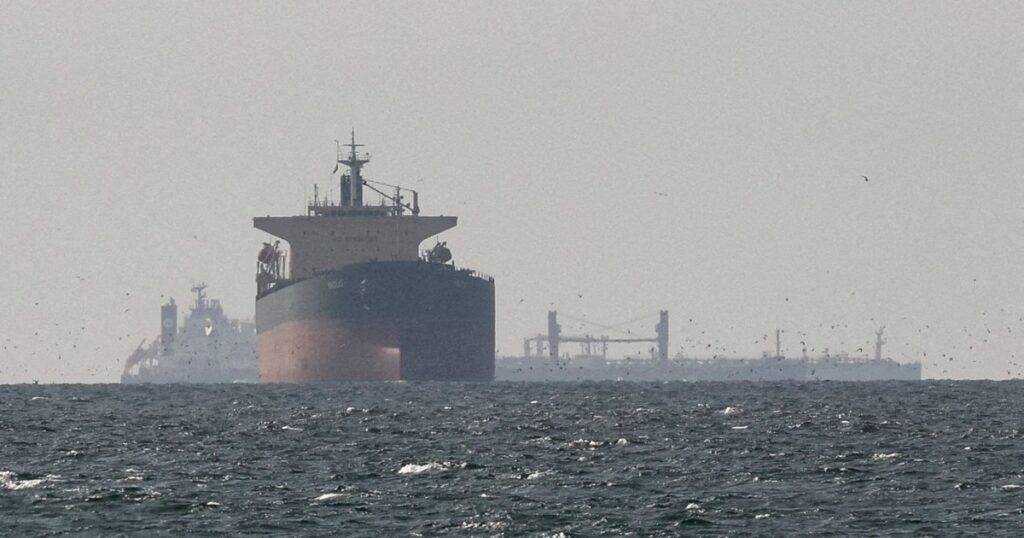
Oman and Iran have recently engaged in diplomatic talks centered on the importance of maintaining a ‘smooth passage’ through the Strait of Hormuz, a critical maritime chokepoint in the region. The Strait of Hormuz is one of the world’s most vital waterways, through which a significant portion of global oil shipments transit. Its strategic location makes it a focal point for regional and international maritime security.
The discussions come amid reports and concerns that Iran has been effectively blocking or restricting movement through the strait at times, raising tensions and threatening the uninterrupted flow of commercial vessels. Iran’s control and influence over the strait have been a longstanding issue, often creating instability that affects global energy markets and international relations.
Muscat, the capital of Oman, which shares territorial waters and strategic interests in ensuring the free passage in the strait, has taken a proactive role in initiating talks with Tehran. Oman has historically maintained neutral and constructive relations with neighboring countries and serves as a mediator in regional disputes, emphasizing dialogue over conflict.
The focus of the talks between officials from Oman and Iran is to establish assurances and practical arrangements that guarantee the smooth transit of ships, including commercial and oil tankers, through the Strait of Hormuz. This includes measures to avoid unilateral disruptions, reduce misunderstandings in maritime navigation, and improve communication channels between vessels and relevant authorities.
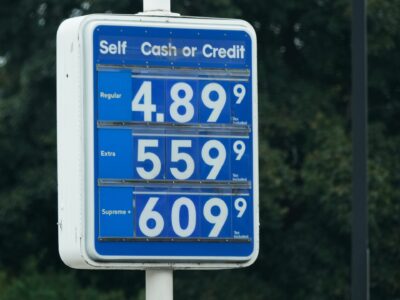
Ensuring the free flow of maritime traffic in the Strait of Hormuz is essential not only for the economies of Oman and Iran but also for many countries around the world that rely on the safe and timely transportation of oil and other goods. Disruptions in this waterway can lead to increased shipping costs, fuel price volatility, and broader geopolitical instability.
The talks reflect a shared recognition by Oman and Iran of the strategic importance of the strait and the need to manage their respective roles responsibly. Both countries understand that escalating tensions or blockades could escalate regional conflict and harm economic interests.
Oman’s diplomatic engagement with Iran on this issue underscores its commitment to regional peace and stability. By promoting dialogue and cooperation, Oman aims to help de-escalate potential crises and foster a secure maritime environment.
The international community has been closely monitoring the situation in the Strait of Hormuz, urging all parties to respect international maritime laws and to keep the waterway open for peaceful and lawful navigation.
In conclusion, the recent talks between Oman and Iran over the Strait of Hormuz aim to secure a smooth passage through this vital waterway, reducing the risk of conflict and assuring the continued flow of global trade. These diplomatic efforts highlight the importance of cooperation and communication in managing a region critical to the world’s energy supply and economic stability.