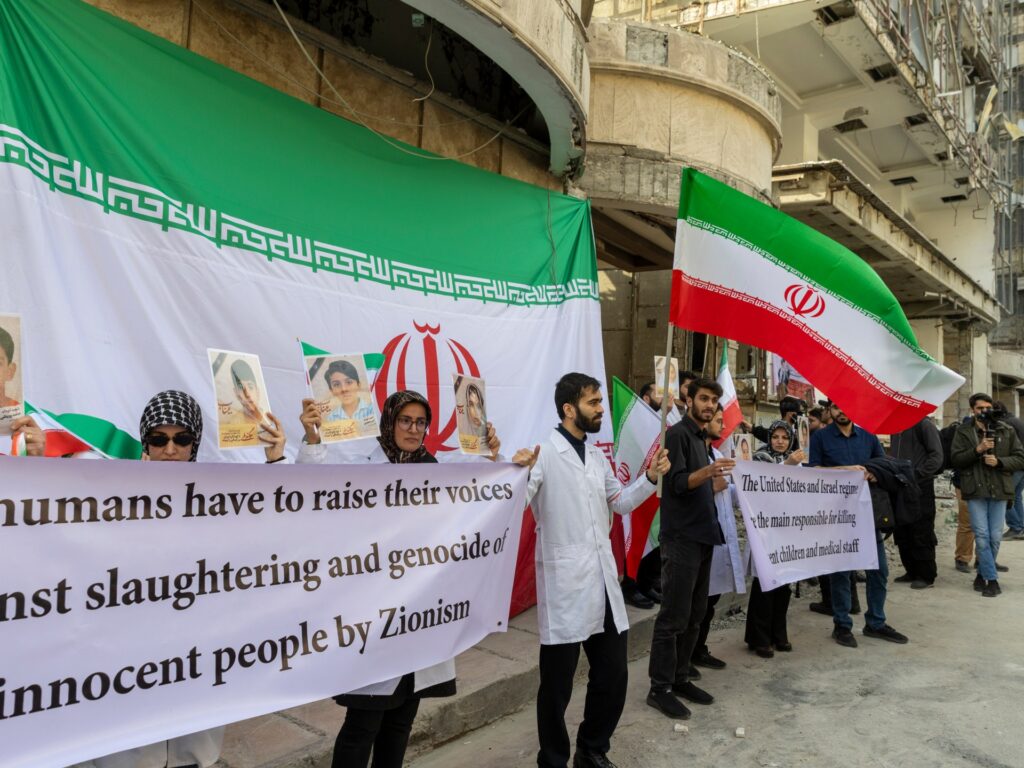
In recent years, Iran’s healthcare infrastructure, notably institutions like the Pasteur Institute of Iran, has come under increasing strain not just from domestic and international challenges but from targeted efforts by foreign governments. Among the hardest hit are critical facilities responsible for producing medicines and vaccines, essential for the nation’s public health.
Reports indicate that the United States and Israel are engaged in a covert campaign to undermine Iran’s ability to manufacture and distribute vital medical supplies. This strategy specifically aims at crippling Iran’s capacity to produce vaccines and crucial medicines, severely impacting the healthcare system amid global health crises.
The Pasteur Institute of Iran, a historic cornerstone in the development of vaccines and infectious disease research, has been repeatedly targeted. The facility’s operations have reportedly faced sabotage, hacking attempts, and restrictions on acquiring necessary raw materials due to sanctions and pressure from international allies led by the US and Israel.
These actions are part of broader economic and political sanctions intended to pressure the Iranian government by exacerbating domestic hardships, but the collateral damage targets the general population’s access to healthcare.
International observers have expressed concern that such tactics violate humanitarian considerations, as obstructing medical supply chains during a pandemic or other public health emergencies can lead to substantial loss of life and deteriorate public health outcomes.
Experts highlight that while sanctions have traditionally focused on military and nuclear aspects, extending them into healthcare undermines global health security. Iran’s inability to import medical equipment and chemicals due to banking restrictions and shipping obstacles severely limits its public health response capabilities.
Human rights organizations have called for easing sanctions on medical goods and for ensuring that political conflicts do not translate into health crises for civilian populations. They argue that access to medicines and vaccines should remain protected irrespective of geopolitical tensions.
The US and Israeli governments maintain that their actions are targeted and aimed at pressuring the Iranian regime over its nuclear program and regional policies, denying that civilian health is a direct target. Nonetheless, the overlap of economic sanctions and covert operations inevitably impacts healthcare.
As global health remains interconnected, the targeting of medical institutions in one country can have ripple effects beyond its borders, particularly in the fight against infectious diseases.
In conclusion, the war on Iran’s medicines and vaccines reflects a complex interplay of geopolitics and health security, raising ethical, humanitarian, and international policy questions that the global community must address to prevent further deterioration of healthcare systems under duress from political conflicts.