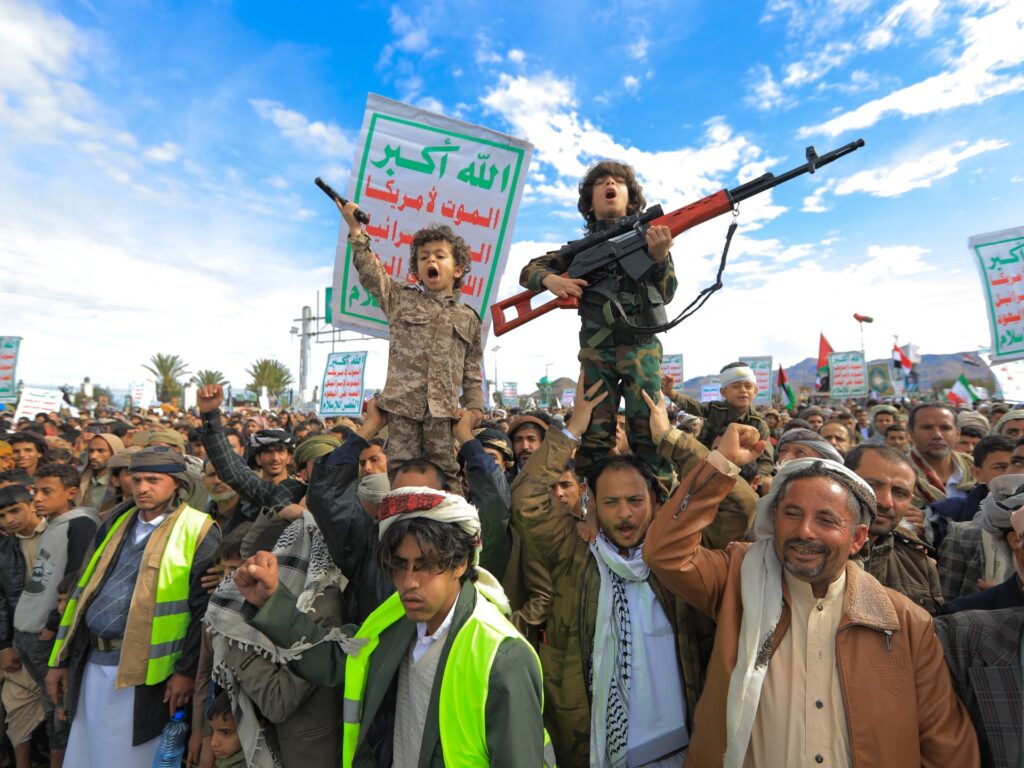
The ongoing conflict in Yemen has put the Houthi movement, also known as Ansar Allah, under intense scrutiny, especially regarding its relationship with Iran. While the Houthis are widely recognized to coordinate with Iran, particularly aligning with Tehran’s regional strategic interests, they continue to operate with a significant degree of independence. This dual approach allows the Houthis to maximize their influence both regionally and within Yemen.
The Houthis have been a key player in Yemen’s civil war since 2014, controlling large parts of the country. Their alignment with Iran is evident in several aspects, including military support, weapon supply, and political backing. Iran’s involvement serves to bolster the Houthis as a proxy force in the broader Middle Eastern geopolitical landscape, particularly in opposition to Saudi Arabia and its coalition partners.
Despite this coordination, the Houthis retain autonomy in their decision-making processes. This independence is crucial for maintaining domestic legitimacy and pursuing their own political and military objectives within Yemen. The group’s leadership has demonstrated a pragmatic approach, balancing their alliance with Iran while not becoming entirely dependent on Tehran’s directives.
This nuanced relationship benefits both parties. For Iran, the Houthis offer strategic depth against regional rivals, creating pressure points on Saudi Arabia’s southern border. For the Houthis, Iranian support strengthens their military capabilities but does not dictate all aspects of their governance or strategic goals.
The independence of the Houthis is visible in their internal governance, where they manage resources, administer services, and engage in local politics without direct Iranian oversight. This local autonomy enables them to respond to Yemeni social and political dynamics effectively, increasing their domestic support despite the complexities of the war.
Moreover, the Houthis’ autonomy allows them to navigate regional alliances beyond Iran, including interactions with other influential actors if it serves their interests. This enhances their ability to leverage external support while maintaining a distinct identity and agenda.
The conflict in Yemen remains multifaceted, with the Houthis’ dual role as both Iranian allies and independent actors exemplifying the complexity of proxy warfare in the region. Understanding this dynamic is crucial for comprehending the ongoing challenges in achieving peace and stability in Yemen and the wider Middle East.
In summary, Yemen’s Houthis coordinate closely with Iran, particularly in military and strategic terms, yet maintain a level of independence intended to maximize their influence and success in their domestic and regional objectives amidst the enduring conflict.