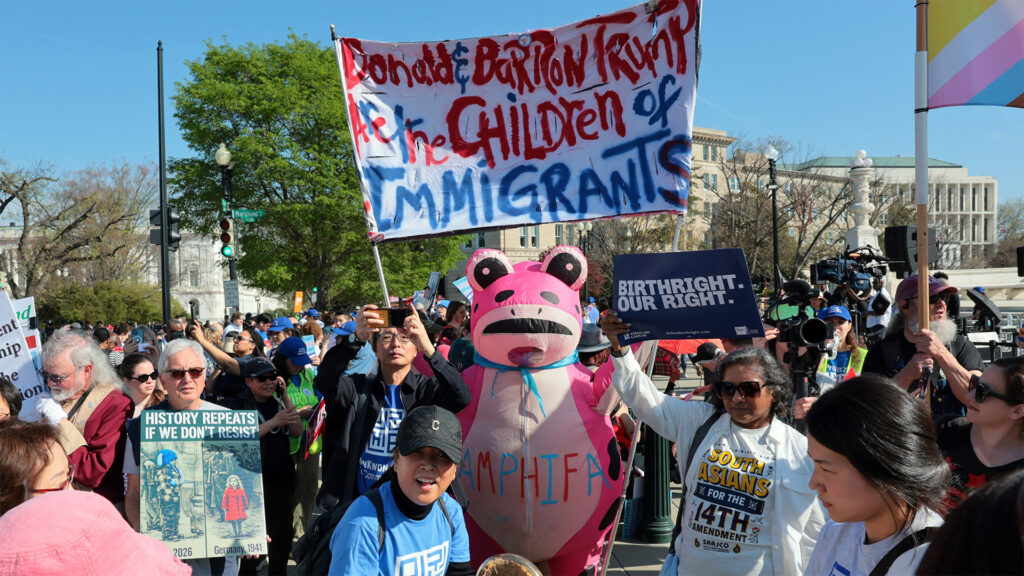
Across the United States, demonstrators have mobilized in significant numbers to voice their opposition to proposed changes targeting the constitutional right of birthright citizenship. Sparked by the US Supreme Court’s recent hearings on former President Donald Trump’s initiative to curtail this right, the protests reflect deep national divisions over immigration policy and constitutional interpretation.
Birthright citizenship, entrenched in the 14th Amendment of the US Constitution, grants automatic citizenship to all individuals born on American soil, regardless of their parents’ immigration status. Trump’s proposed restrictions aim to reinterpret or limit this constitutional guarantee, potentially excluding children born in the US to undocumented immigrants from automatic citizenship.
As the Supreme Court deliberates these arguments, protesters have gathered in cities across the country, from Washington, D.C., to Los Angeles, demanding the preservation of birthright citizenship. Demonstrators include immigrant advocacy groups, civil rights organizations, and everyday citizens who argue that curbing this right would undermine the fundamental principles of equality and justice the nation stands on.
Opponents of the proposed changes emphasize that birthright citizenship has been a cornerstone of American identity and a critical protection that ensures children born in the US are recognized as full citizens with all attendant rights and responsibilities. They warn that altering this policy could lead to increased statelessness and marginalization among immigrant communities.
Supporters of Trump’s position, conversely, argue that the current law incentivizes illegal immigration and that the government should have more authority to regulate citizenship criteria. They contend that the original intent of the 14th Amendment did not foresee automatic citizenship for children of non-citizens residing illegally in the country.
The Supreme Court’s review of the case marks a pivotal point in the ongoing immigration debate. Legal analysts predict that the court’s decision will have profound implications for millions of individuals and the broader social fabric of the US.
As the hearings continue, public demonstrations are expected to persist, highlighting the emotional and political stakes involved. The outcome remains uncertain, but the attention brought by these protests underscores the continuing importance of birthright citizenship in the American societal discourse.
This unfolding situation continues to attract national and international attention, illustrating the complexities of immigration law and the enduring struggles over civil rights in the United States.