Since the escalation of the Iran war, the United States has deployed thousands of additional Marines and airborne troops to the Middle East. This military movement has brought attention to various US military terms and concepts, particularly the role and composition of a Marine Expeditionary Unit (MEU).
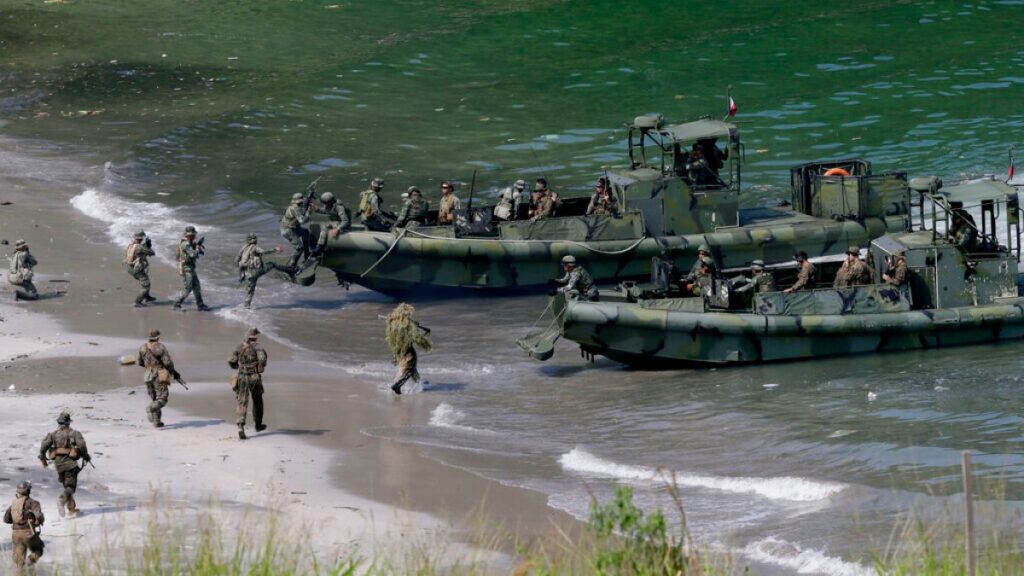
A Marine Expeditionary Unit represents a rapid-response force designed to conduct a variety of military operations with agility and flexibility. Typically composed of around 2,200 Marines, a MEU functions as a self-contained, combined-arms force that operates from Navy amphibious assault ships. These units include infantry, aviation, logistics, and command elements, enabling them to carry out missions ranging from combat assaults to humanitarian aid.
The MEU is designed for swift deployment, capable of responding to crises within a short notice period, often 24 to 72 hours. The unit’s versatility and mobility make it a critical asset in volatile regions like the Middle East, where rapid, adaptable military responses are essential.
Other important US military terms relevant to the Iran conflict include:
1. Airborne Troops: These are highly trained paratroopers deployed from aircraft to conduct operations behind enemy lines or in strategic locations. Their rapid deployment capabilities complement those of the MEUs.
2. Amphibious Assault Ships: Naval vessels that carry Marines, aircraft, and landing craft to project power ashore. They serve as floating bases for MEUs during operations.
3. Combined-Arms Force: A military unit consisting of different branches working synergistically, such as infantry, artillery, armor, and aviation, to achieve tactical and strategic objectives.
4. Logistics Element: The segment of a military unit responsible for supply, transportation, maintenance, and other support functions critical for sustained operations.
5. Command Element: The leadership and communication hub of a unit, coordinating operations and maintaining situational awareness.
Since the beginning of the Iran war, the deployment of MEUs and airborne units signals the US’s strategic intent to maintain readiness and project military power. These forces provide a robust and flexible military presence, capable of engaging in combat, deterring aggression, or providing humanitarian assistance wherever needed.
Understanding these units and terms provides insight into US military strategies and responses in the Middle East conflict. The Marine Expeditionary Units, with their unique composition and rapid deployment abilities, remain a cornerstone of US force projection, critical for managing the complexities and unpredictability of the Iran war.