NASA’s Artemis II mission marks a historic leap in human space exploration, being the first crewed lunar mission in over half a century. It aims to send astronauts on a journey around the moon, testing critical deep-space life-support systems required for future Mars missions and other deep-space endeavors. The mission is a pivotal step in NASA’s Artemis program, which plans to establish a sustainable human presence on the moon and pave the way for explorations beyond.
Artemis II will follow the successful Artemis I mission, which was an uncrewed test flight demonstrating the capabilities of the Space Launch System (SLS) rocket and the Orion spacecraft around the moon. Unlike Artemis I, Artemis II will carry astronauts aboard the Orion spacecraft to perform real-time assessments of spacecraft systems in deep space. This includes testing environmental control, life-support systems, and communication technologies critical for ensuring astronaut safety and mission success during extended space travel.
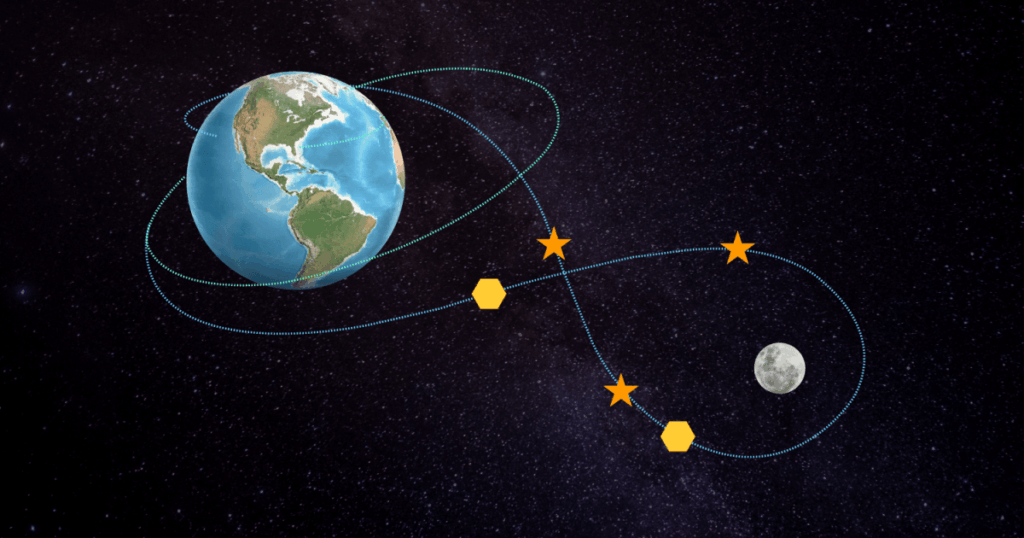
The astronauts aboard Artemis II will orbit the moon and return to Earth, traveling thousands of miles beyond the lunar surface but not landing. Their journey will last approximately 10 days, offering vital data on human physiological responses to deep-space radiation and microgravity, as well as the spacecraft’s performance during a crewed lunar orbit mission.
The Artemis II crew consists of highly trained astronauts whose expertise spans various scientific and technical fields critical to mission success. By conducting the first human mission beyond low Earth orbit since Apollo 17 in 1972, Artemis II reignites human ambition in space exploration after decades.
Scheduled for launch in late 2024, Artemis II’s mission timeline solidifies NASA’s commitment to advancing space technology and human exploration. It highlights international collaboration and innovative engineering, setting a foundation for Artemis III, which aims to land astronauts on the lunar surface, including the first woman and the next man.
This mission not only revives lunar exploration but also serves as a proving ground for technologies and expertise that will allow humanity to reach further into the solar system. Artemis II embodies the spirit of discovery, inspiring future generations and signaling a new era of human spaceflight destined for the moon and beyond.