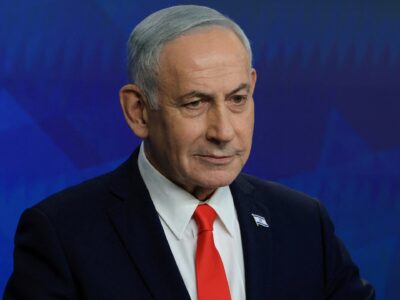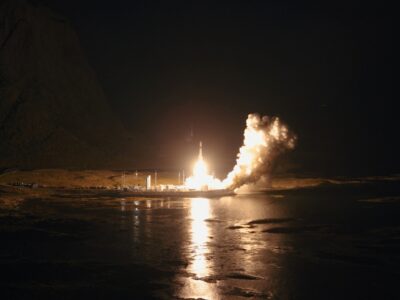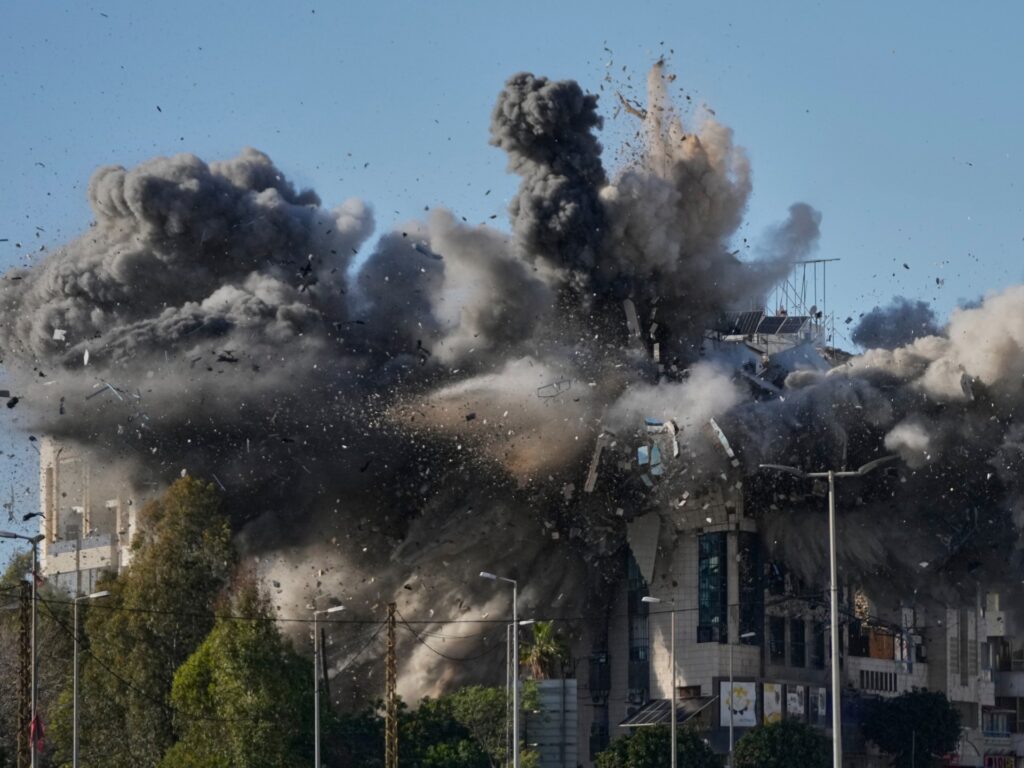
The ongoing conflict involving Iran has taken a dramatic turn as former U.S. President Donald Trump recently stated that the war is expected to end within 2 to 3 weeks. This remark comes amid intensified military actions, including US and Israeli strikes targeting multiple strategic locations across Iran.
Key targets of the airstrikes have included pharmaceutical companies and steel plants located in Isfahan and Farokhshar. These strikes are believed to aim at crippling Iran’s industrial capacity and disrupting its support infrastructure. The impact on the civilian industry is raising concerns among international observers about the broader humanitarian effects.
Additionally, the conflict’s spillover effects were witnessed when Kuwait’s main airport was reportedly hit, adding a heightened level of regional instability to an already volatile situation. This incident has prompted increased security alerts across multiple countries in the Middle East.
Analysts suggest that the continuation of these strikes is indicative of a concerted effort by the US-Israeli alliance to pressure Iran into concessions or to significantly degrade its military potential. Meanwhile, Iranian responses to these strikes have reportedly been limited but are expected to escalate as the conflict proceeds.
The international community remains on edge, monitoring the unfolding developments closely. Diplomatic channels are reportedly active behind the scenes, attempting to negotiate a ceasefire or at least a reduction in hostilities. However, the remarks from Trump suggest an optimistic timeline for a resolution, although experts caution that the situation on the ground could be more complex.
The targeting of pharmaceutical companies highlights a controversial aspect of the conflict, as this may directly affect the civilian population’s access to crucial medicines, raising ethical questions and potential breaches of international law. The steel plants hit are key components in Iran’s industrial infrastructure, potentially impacting its economic stability and war-sustaining capabilities.
The attacks in Isfahan and Farokhshar underscore the strategic focus on Iran’s industrial heartland, aiming to disrupt production and logistics networks essential for Iran’s military and economic resilience. The choice of these targets suggests a strategic campaign designed to erode Iran’s capacity for sustained conflict.
Meanwhile, the broader geopolitical implications of the strikes are significant. The Middle East, already fraught with tension, faces additional risks of escalation, including the possibility of wider regional involvement or retaliation. Countries neighboring Iran are reportedly increasing their military readiness and diplomatic engagement to prevent the conflict from spreading.
The incident at Kuwait’s airport marks a worrying expansion of the conflict’s reach, potentially endangering civilian transport and commerce in a key regional hub. The airport’s status as a critical infrastructure for the Persian Gulf region makes its targeting especially alarming for global trade and security.
International reactions have varied, with some nations calling for immediate de-escalation and others affirming support for the coalition’s efforts against Iran’s influence in the region. The United Nations and other global bodies are reportedly preparing to convene emergency sessions to address the crisis and explore avenues for peace.
As the situation develops, the world watches closely for signs of either a rapid resolution as Trump anticipates or a prolonged conflict with significant humanitarian and political consequences. The coming weeks are expected to be crucial for determining the trajectory of this intense and complex confrontation.