In a recent move by the Trump administration, oil drillers operating in the Gulf of Mexico have been exempted from certain endangered species protections. This decision comes amid ongoing geopolitical tensions, particularly the ongoing war on Iran, and aims to bolster the competitiveness of the US energy sector.
The exemption means that oil drilling companies in the Gulf of Mexico will face fewer regulatory restrictions related to environmental protections that safeguard endangered marine species. Proponents of this decision argue that these protections previously hindered energy production and economic growth in the sector.
The administration’s rationale centers on the concern that stringent environmental regulations could impair US energy competitiveness on the global stage. By loosening these protections, officials believe that American oil producers can increase output, securing energy resources and supporting the national economy during international conflicts.
Critics, however, have expressed alarm over the potential environmental consequences. Endangered species, including marine mammals, turtles, and various fish species in the Gulf, have historically been vulnerable to the impacts of industrial activities such as oil drilling. Environmental groups warn that the rollback may accelerate the decline of these species and degrade the Gulf’s delicate ecosystem.
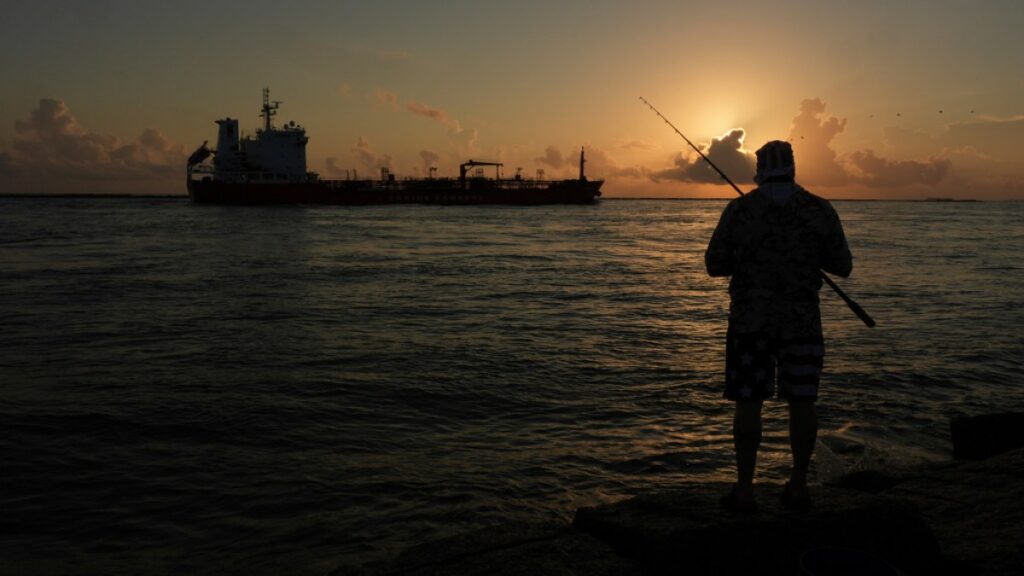
The Gulf of Mexico is a vital habitat for numerous marine species and is a significant region for US oil production. Balancing economic interests with environmental stewardship has been a longstanding challenge for policymakers.
Industry leaders have welcomed the administration’s exemption, citing the need for increased energy independence amid global instability. The ongoing conflict involving Iran has heightened concerns over energy supply security, prompting the US government to prioritize domestic production.
This development reflects a broader trend during the Trump administration of prioritizing economic growth and energy development over environmental protections. The administration has previously rolled back various environmental regulations, arguing that they impose undue burdens on businesses.
Environmentalists urge policymakers to reconsider such rollbacks, emphasizing that long-term ecological damage could outweigh short-term economic gains. They stress the importance of sustainable energy practices and the protection of biodiversity.
The full ramifications of this exemption remain to be seen as environmental groups prepare to challenge the decision in court. Meanwhile, the oil industry is expected to expand operations in the Gulf, taking advantage of the relaxed regulations.
As tensions in the Middle East continue, the US energy policy will likely remain a balancing act between ensuring economic security and protecting vulnerable ecosystems. Stakeholders from all sides are watching closely to see how this balance evolves in the coming months and years.