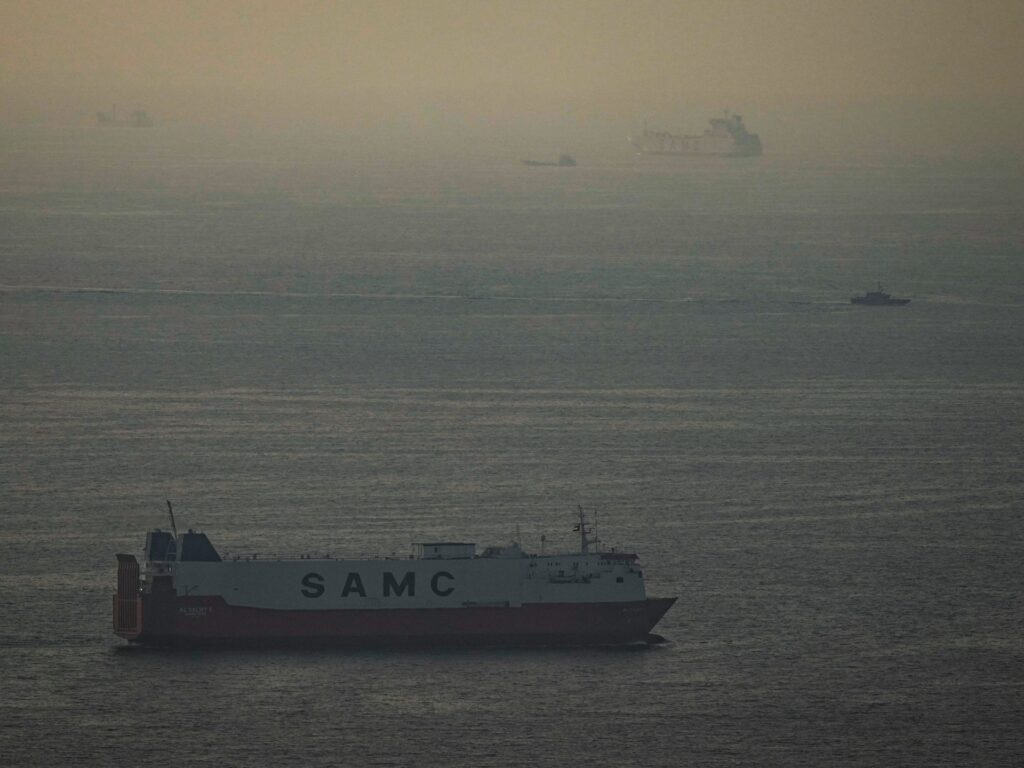
The Strait of Hormuz, one of the world’s most strategically important waterways, has recently experienced an effective shutdown, leading to significant disruptions in global shipping and energy markets. While the passage has now reopened, experts warn that the turmoil caused by the closure will likely persist for months, affecting the shipping industry and global trade dynamics in profound ways.
The Strait of Hormuz serves as a critical chokepoint through which a substantial proportion of the world’s oil supply is transported. Any disruption in this narrow passage, which connects the Persian Gulf to the Gulf of Oman and the Arabian Sea, causes ripple effects across international markets. The recent shutdown stemmed from heightened geopolitical tensions in the region, causing a near halt to maritime traffic and spiking fears of a prolonged crisis.
Analysts emphasize that even though the strait is once again navigable, the aftermath of the closure will not dissipate quickly. Shipping companies, insurers, and governments will need several months to assess the economic impact, recalibrate risk assessments, and rebuild confidence in maritime routes through the Gulf.
One significant consequence of the disruption is the potential for permanent changes in how the shipping industry operates. Many companies are exploring alternative routes or diversifying supply chains to reduce dependence on the Strait of Hormuz, signaling a possible shift in global shipping patterns. These changes might increase transit times and costs but could enhance resilience against future geopolitical disturbances.
Furthermore, the crisis has triggered a reevaluation of maritime security protocols. Enhanced surveillance, increased naval presence, and stronger cooperation among regional and international stakeholders are being considered to safeguard this vital artery of commerce.
The economic fallout has also been extensive, with oil prices experiencing volatility and some markets experiencing temporary shortages. Exporters and importers reliant on Gulf energy supplies are evaluating contingency plans to avoid similar vulnerabilities.
Stakeholders agree that diplomatic efforts remain crucial to maintaining stability in the region. Without sustained political dialogue and conflict resolution measures, the risk of future closures or conflicts continues to loom, underscoring the strait’s geopolitical sensitivity.
In summary, while the reopening of the Strait of Hormuz is a positive development, the long-lasting effects of its closure will affect global shipping and trade for months to come. The incident marks a turning point, urging a strategic reassessment of maritime logistics, security, and geopolitical engagement in one of the world’s most vital maritime corridors.