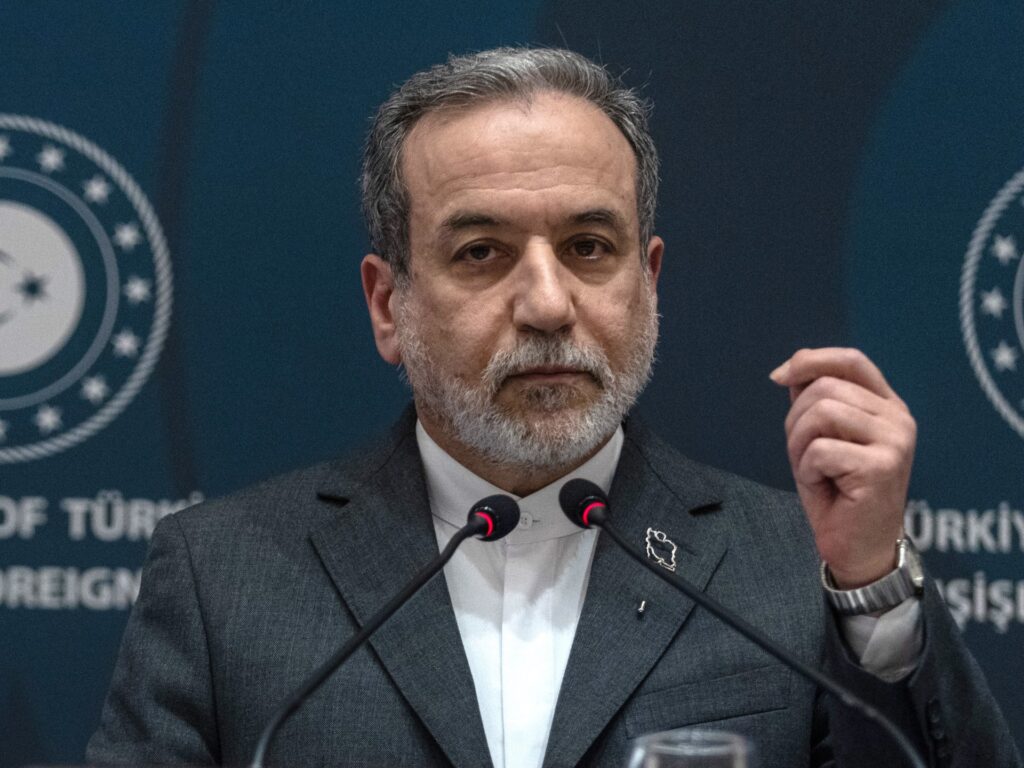
Iran’s Foreign Minister, Abbas Araghchi, recently confirmed that there have been contacts between Iran and the United States, specifically mentioning the US envoy, Witkoff. However, Araghchi was clear in stating that these interactions do not amount to formal negotiations.
In an exclusive interview with Al Jazeera, Iran’s top diplomat emphasized that while communication channels remain open, Iran is not engaged in any ongoing talks with the US government. This clarification comes amid widespread speculation about the potential resumption of diplomatic discussions over various bilateral and international issues.
The contacts with US envoy Witkoff highlight a cautious diplomacy where both sides seem to be keeping lines of communication active, possibly to manage misunderstandings or exchanges related to strategic or regional matters.
Despite these contacts, Iran has firmly denied any talks or negotiations are currently taking place. This stance underscores Tehran’s approach to controlling the narrative around its foreign relations and maintaining a position of strength in its dealings with the US.
The international community has closely watched the developments between Iran and the US, especially concerning nuclear agreements, sanctions, and regional security. Past negotiations have often been delicate and complex, requiring careful diplomatic engagement.
Araghchi’s remarks may indicate a preference for indirect communication rather than direct formal talks, which potentially allows both sides to explore possibilities without the pressures of official negotiations. Such contacts could serve as a foundation for future discussions if conditions become favorable.
In summary, while Iran acknowledges communication with the US envoy Witkoff, it clearly denies that these interactions constitute active negotiations. The situation remains fluid, with potential implications for regional diplomacy and international relations, depending on how these contacts evolve in the coming weeks and months.