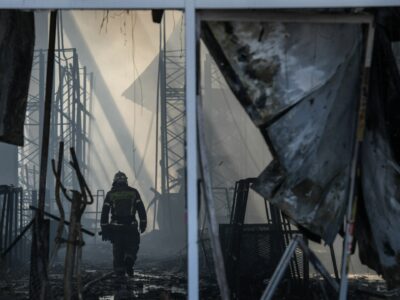
In a significant escalation of tensions in the Middle East, US and Israeli forces conducted major military strikes overnight targeting a mountainous region near Isfahan, Iran. The operation involved the deployment of bunker-buster bombs, which triggered massive secondary explosions, highlighting the intensity and precision of the attacks.
The targeted area near Isfahan, a city known for its strategic importance and military installations, suffered extensive damage due to the powerful ordinance used. These strikes represent one of the most aggressive actions from the US and Israel in recent times against Iranian infrastructure.
Iranian authorities have maintained a stance of defiance in response to these military actions, vowing to retaliate and continue their regional agendas despite external pressures. The attacks appear to be an attempt to degrade Iran’s military capabilities and disrupt ongoing developments in sensitive areas.
Military analysts view the use of bunker-buster bombs as a clear indication of the high-value targets identified by US-Israeli intelligence. Such bombs are specifically designed to penetrate fortified underground facilities, suggesting the strikes aimed at critical and well-protected sites.
The secondary explosions following the initial bombings further imply the presence of ammunition depots or other volatile materials at the targeted sites, amplifying the destructive impact of the operation.
These developments come against the backdrop of heightened regional tensions and ongoing confrontations over Iran’s nuclear program and influence in neighboring countries. The strikes may signal an intensification of military pressure tactics by the US and Israel to curb Iran’s strategic ambitions.
Diplomatic responses are expected to escalate, with international actors closely monitoring the situation. The potential for retaliatory actions by Iran raises concerns about a broader regional conflict that could involve multiple nations and impact global security.
The recent attacks underscore the volatile and complex nature of geopolitical relations in the Middle East, where decisive military measures continue to be employed alongside political and diplomatic efforts.
As the situation develops, further updates on the response from Iranian authorities and any subsequent military or diplomatic moves by the US and Israel will be critical to understanding the evolving dynamics of this conflict.