The United States government has reaffirmed that its policy toward Cuba remains unchanged, despite recent actions involving a sanctioned Russian tanker. The White House confirmed that allowing the Russian vessel to enter American waters does not signal any shift in the ongoing approach to Cuba. This development has raised questions about the consistency of US foreign policy, especially amid the broader geopolitical tensions surrounding Russia and Cuba.
The sanctioned tanker, associated with Russia, was permitted entry under specific circumstances that US officials have described as exceptions rather than new precedents. The move prompted scrutiny from international observers and policymakers, who questioned whether this indicated a softening stance toward Cuba or a recalibration of US sanctions enforcement.
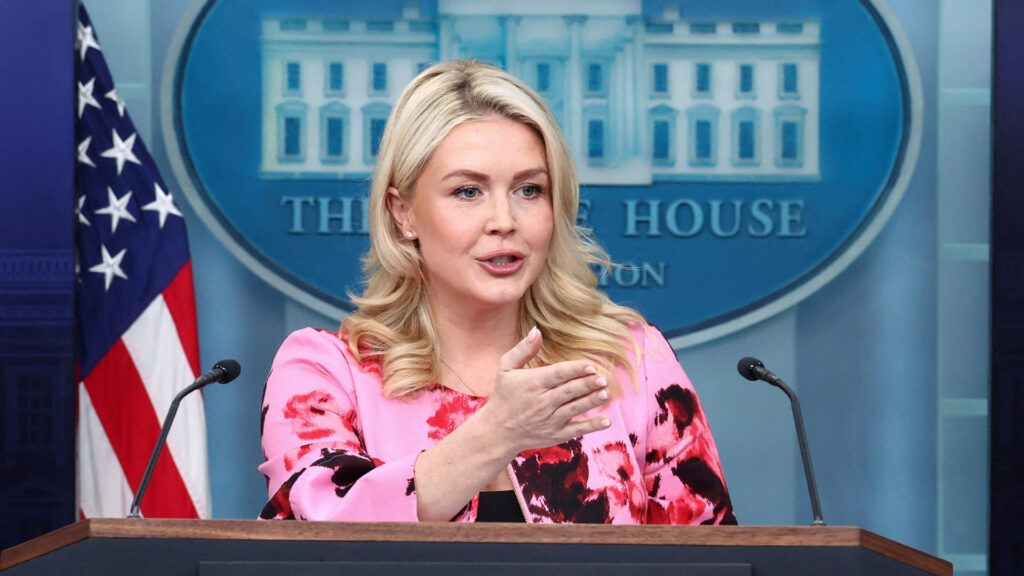
White House spokespersons have emphasized that the core principles guiding US-Cuba relations remain intact. These principles include promoting democracy, protecting human rights, and enforcing sanctions related to Cuba and allied nations. The allowance of the tanker was reportedly a logistical decision based on procedural grounds rather than a change in diplomatic attitude.
Experts suggest that the US administration is carefully navigating the complexities of global sanctions and maritime regulations, especially in contexts involving Russia and its allies. The incident reflects the delicate balance Washington aims to maintain in managing its strategic interests without undermining established policies.
Critics argue that permitting the tanker could weaken the perceived efficacy of sanctions imposed on Russia and its network of support. However, US officials assert that enforcement mechanisms remain strong and that any exceptions are isolated and well-justified.
The situation signals ongoing challenges within international sanctions regimes, particularly as nations confront overlapping alliances and economic pressures. The US commitment to isolating Cuba politically and economically continues unabated, according to official statements.
This episode underscores the nuanced and dynamic nature of international policy enforcement, where practical exigencies sometimes intersect with broader geopolitical objectives. The White House assures that vigilance remains a priority, and no substantive change to Cuba policy is on the horizon.
Watchers anticipate further developments as the US continues to navigate its complex relationships in the Western Hemisphere and beyond, balancing sanctions, diplomacy, and geopolitical strategy in a rapidly evolving international landscape.