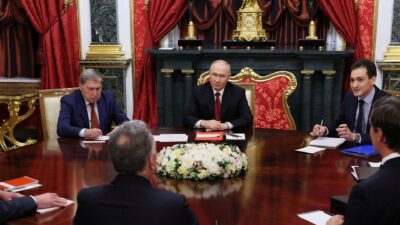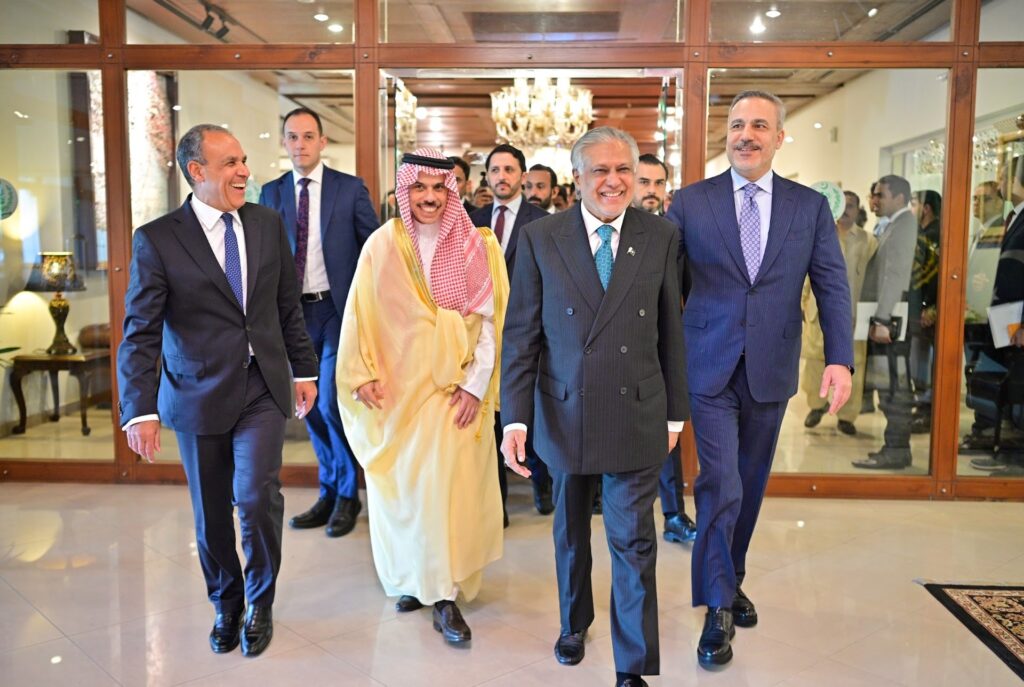
Former US President Donald Trump has expressed that he is ‘pretty sure’ an agreement with Iran is imminent, following intense diplomatic maneuvers and newly intensified backchannel talks. Meanwhile, an intriguing development has arisen as a coalition led by Pakistan, including Saudi Arabia, Turkiye, and Egypt, has formed a team to facilitate discreet negotiations between the US and Iran.
Recent talks between the US and Iran have appeared to edge closer to a framework understanding on critical issues such as nuclear development limits and sanction relief. Trump’s remarks underscore a cautious optimism in Washington, reflecting hopes for a potential revival of the 2015 Iran nuclear deal or a similar agreement that curbs Iran’s nuclear ambitions while easing economic restrictions.
The coalition spearheaded by Pakistan represents a novel diplomatic initiative in the region. Historically leveraging strong bilateral ties with both Tehran and Washington, Pakistan is playing a pivotal role in bridging the diplomatic divide, supported by Saudi Arabia, which seeks regional stability; Turkiye, a strategic regional player; and Egypt, a long-standing US partner.
This coalition’s backchannel approach aims to circumvent formal diplomatic gridlock by facilitating informal, behind-the-scenes discussions that may pave the way for formal negotiations. Such efforts are crucial as direct communication between the US and Iran has been sparse and fraught with suspicion since the US withdrawal from the original nuclear deal in 2018.
Experts highlight that the involvement of multiple regional powers increases the legitimacy and balance of mediation efforts, potentially encouraging concessions from both Washington and Tehran. Furthermore, these countries possess a vested interest in resolving the conflict, which has destabilized parts of the Middle East and threatened global energy supplies.
However, significant challenges remain. Distrust between the US and Iran runs deep, with each party wary of the other’s intentions and commitments. Additionally, hardline factions within Iran and political opposition in the US Congress could impede any agreement’s ratification and longevity.
Analysts observe that the coalition’s strategy reflects a broader regional desire to reduce foreign interference and promote regional security architectures led by Middle Eastern states themselves, fostering autonomy in conflict resolution.
Should this Pakistan-led initiative succeed, it could herald a new era in Middle Eastern diplomacy, reducing tensions and opening pathways for economic and political cooperation across previously hostile divides.
In sum, while Trump’s confidence fuels hope for a renewed Iran deal, the emerging Pakistan coalition’s backchannel diplomacy plays a critical role in the difficult journey towards peace. The coming months will be pivotal as these intertwined diplomatic efforts unfold against a complex backdrop of regional power dynamics and global geopolitical stakes.