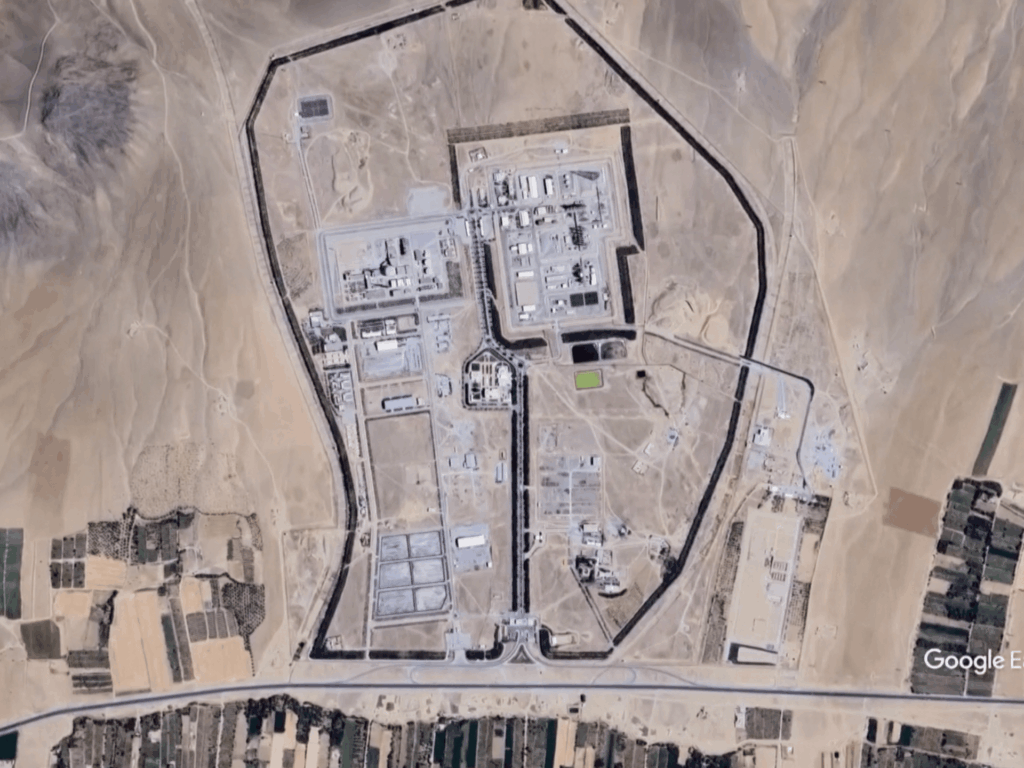
The International Atomic Energy Agency (IAEA), the United Nations’ nuclear watchdog, has officially announced that Iran’s Khondab heavy water production plant is no longer operational. This development marks a significant point in Iran’s nuclear activities, specifically concerning heavy water production essential for certain types of nuclear reactors.
The Khondab plant plays a critical role in Iran’s nuclear infrastructure, as heavy water is used as a moderator in nuclear reactors, such as the Arak heavy water reactor. These reactors can potentially produce plutonium, a material that can be used in nuclear weapons, which has been a point of international focus and concern.
The IAEA’s confirmation comes amid ongoing international efforts to monitor and regulate Iran’s nuclear program to ensure it remains peaceful. Iran has often stated that its nuclear activities are solely for peaceful purposes, including energy production and medical research.
Heavy water reactors, like the one associated with Khondab, differ from light water reactors by using heavy water (deuterium oxide) as a neutron moderator instead of ordinary water. The production and supply of heavy water are closely watched by global authorities because of their connection to potential weapons-grade material production.
The cessation of operations at the Khondab heavy water production plant could impact the overall nuclear fuel cycle in Iran. It might indicate a pause or shift in Iran’s strategy related to heavy water reactor fuel supplies. The IAEA’s role in this context is to provide transparent and impartial verification of Iran’s nuclear activities to the international community.
This announcement may influence international diplomatic negotiations related to Iran’s nuclear program, including discussions around the Joint Comprehensive Plan of Action (JCPOA), commonly known as the Iran nuclear deal. The deal’s objective is to limit Iran’s nuclear capabilities in exchange for the lifting of economic sanctions.
Throughout recent years, the status and operation of Iran’s nuclear facilities have been under intense scrutiny by international bodies, with the goal of preventing nuclear proliferation. Any changes in operational status, like the shut down of the Khondab facility, are significant in assessing Iran’s compliance with international agreements.
Experts suggest that halting the heavy water production could affect Iran’s capacity to sustain the Arak heavy water reactor’s fuel needs, which may have broader implications for Iran’s nuclear research and development initiatives.
The IAEA continues to monitor Iran’s nuclear facilities closely and will report any further developments. The international community awaits further clarifications from Iran regarding the reasons behind the shutdown and future plans for the Khondab plant.
This move could either be viewed as a positive step towards nuclear non-proliferation and transparency or raise questions about Iran’s future nuclear direction, depending on subsequent actions and international diplomatic responses.
As the situation evolves, stakeholders in global nuclear diplomacy will keep a close watch on these developments to assess their implications for regional and global security.