As the US-Israel conflict with Iran enters its 30th day, tensions in the Middle East remain heightened, with diplomatic and military activities continuing at a brisk pace. The confrontation, which began with escalating assaults and counterstrikes, has drawn widespread international concern due to its potential to destabilize the broader region.
Military Actions and Current Situation
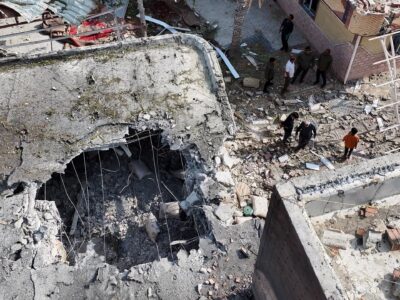
Over the past month, both the US and Israeli forces have intensified their attacks targeting Iranian military and strategic assets, aiming to curb Iran’s influence and its regional proxy networks. Iran, in response, has launched retaliatory measures, including missile strikes and support for allied groups across various frontlines. This ongoing exchange has resulted in significant casualties and infrastructure damage, raising fears of an expanded conflict.
Diplomatic Endeavors in Islamabad
Against this backdrop of conflict, a significant diplomatic development took place in Islamabad, where foreign ministers from Pakistan, Turkey, Egypt, and Saudi Arabia convened with the objective of initiating peace talks to end the hostilities between the US-Israel coalition and Iran. The meeting underscores the growing regional desire to de-escalate tensions and seek a political resolution that could halt further bloodshed.
The diplomats emphasized the urgency of dialogue and expressed collective concern over the broader implications of the war on regional stability and global security. They highlighted the need for coordinated efforts to mediate peace and foster communication channels between the conflicting parties.
Regional and Global Implications
The conflict has not only affected the immediate combat zones but has also disrupted global oil markets, increased refugee flows, and triggered a wider humanitarian crisis. Countries in the region and international actors have been urged to engage constructively to prevent further escalation.
The involvement of key regional players like Pakistan, Turkey, Egypt, and Saudi Arabia in peace initiatives is seen as a crucial step towards forging a multinational consensus and reducing the risk of a protracted war. These nations are leveraging their diplomatic influence to broker discussions and advocate for a peaceful settlement.
Outlook
As the 30th day of conflict passes, the situation remains fragile. Military actions and rhetoric on all sides illustrate the challenges ahead. However, the convening of influential foreign ministers signals a potential shift towards dialogue and reconciliation.
The international community continues to watch closely, hopeful that these diplomatic efforts in Islamabad will pave the way for a ceasefire and a durable peace agreement. The next phase will depend largely on sustained negotiations, confidence-building measures, and the willingness of conflicting parties to compromise.