The escalating conflict involving Iran has taken a dramatic turn, with Tehran issuing stern warnings to the United States and Israeli universities, signaling heightened tensions on multiple fronts. This development comes as the Houthis, a Yemeni armed group allied with Iran, launched missile attacks, further intensifying the volatile situation in the Middle East.
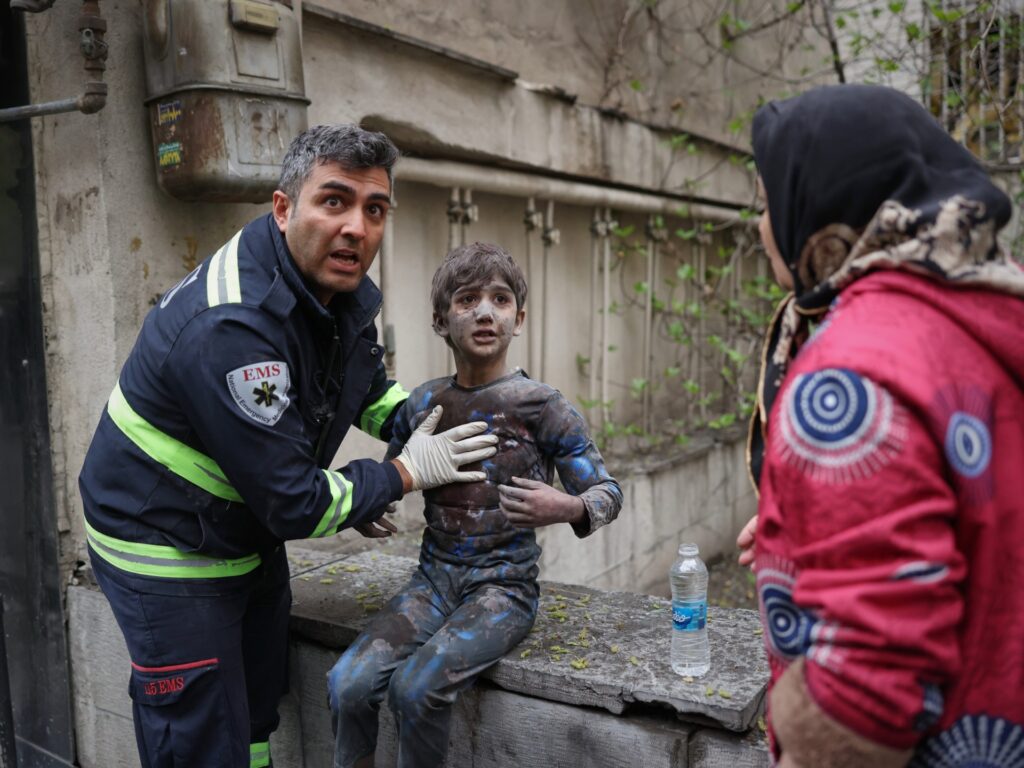
In the latest tragic incident, a missile strike in Iran’s southern Bushehr province claimed the lives of a family of four, underscoring the severe human cost of ongoing hostilities. The attack has sparked outrage and condemnation both domestically and internationally, highlighting the urgent need for de-escalation.
Simultaneously, antiwar protests have surged in intensity and spread globally, with demonstrators taking to the streets of Tel Aviv and major cities across the United States. Protesters are demanding an end to violence and seeking peaceful resolutions amid fears that the conflict could escalate into a broader regional war.
Tehran’s warning to US and Israeli educational institutions marks a new dimension in this conflict, suggesting potential cyber or physical threats targeting these centers. Officials have accused these countries of fomenting unrest and supporting measures that threaten Iran’s security.
The Houthis’ missile assaults are seen as retaliation in the broader proxy struggle between Iran and its regional adversaries. These strikes have targeted strategic locations and infrastructure, aiming to pressure opposing forces and leverage their positions in ongoing negotiations.
International reactions have been swift, with the United Nations calling for restraint and urging all parties to engage in dialogue to prevent further bloodshed. The US and its allies have reiterated their support for Israel and condemned the missile attacks, while advocating for diplomatic efforts to stabilize the region.
Citizens across affected areas face escalating dangers, with families displaced and communities disrupted by the violence. Relief organizations are mobilizing to provide aid and support to those impacted by the conflict.
The situation remains fluid, with the potential for further escalations or breakthroughs depending on diplomatic engagements and the strategic calculations of involved actors. Observers stress the importance of maintaining communication channels to avoid misunderstandings and unintended consequences.
This latest chapter in the Iran conflict underscores the complexity and deep-rooted nature of divisions in the Middle East, where local, regional, and international interests converge. Peace advocates emphasize the need for sustained dialogue, confidence-building measures, and respect for sovereignty to pave the way toward lasting stability.
As this multifaceted conflict unfolds, the international community watches closely, hoping to avert a wider confrontation and to support avenues that can bring about reconciliation and peace for the people affected by the violence.