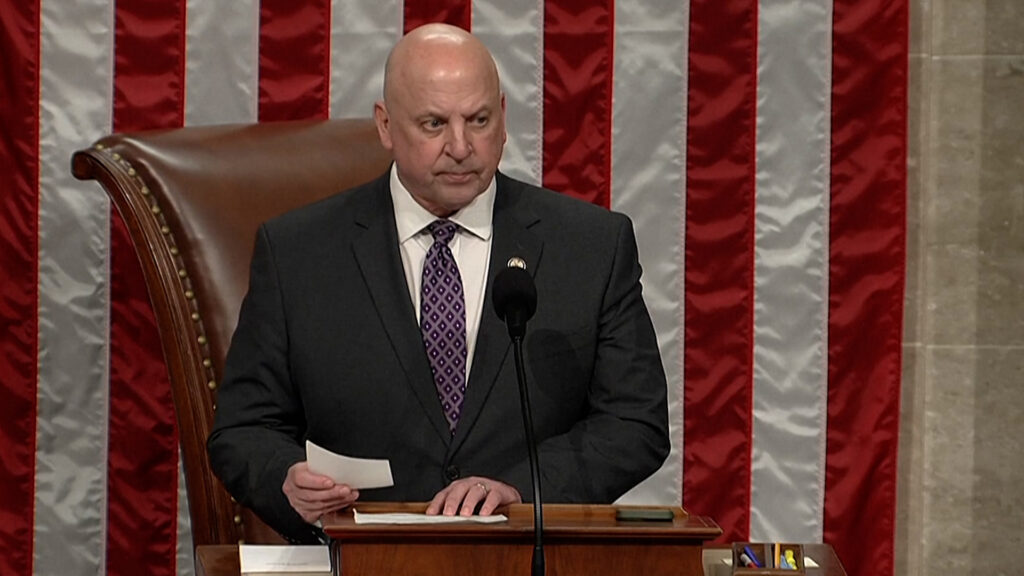
The US House of Representatives has passed a temporary funding bill aimed at keeping the Department of Homeland Security (DHS) operational amid concerns of a potential government shutdown. The bill is intended to ensure continued support for the DHS, which plays a vital role in national security, border protection, counterterrorism, and disaster response.
Facing a looming deadline, the House moved quickly to prevent any interruption of critical homeland security functions. The temporary funding measure will provide resources to maintain vital programs and services within the DHS, including airport security, immigration enforcement, cyber defense, and emergency preparedness.
This legislative action comes amid broader budget negotiations and political impasses that have placed various federal operations at risk of partial shutdowns. The temporary funding is designed to buy time for lawmakers to negotiate a more comprehensive budget solution without risking the disruption of essential homeland security activities.
Given the DHS’s critical role in protecting the United States from both domestic and international threats, the passage of this temporary funding bill underscores the bipartisan recognition of the department’s importance. The bill’s approval in the House is expected to be followed by consideration in the Senate, where lawmakers will debate the measure and potentially suggest amendments.
Homeland Security Secretary has welcomed the House’s swift action, emphasizing that uninterrupted funding is crucial for maintaining national safety and preparedness. The department oversees a broad spectrum of agencies and initiatives tasked with safeguarding the nation’s borders, infrastructure, and citizens from threats.
This development occurs as several federal agencies face uncertainty due to stalled budget talks. DHS funding is particularly pivotal given the increasing cybersecurity challenges and immigration enforcement priorities confronting the US.
The temporary bill serves as a stopgap solution, preventing an immediate shutdown of the Department of Homeland Security, which could have caused significant operational disruptions. It highlights the challenges of navigating budgetary constraints while ensuring that national security imperatives remain uncompromised.
As negotiations continue, stakeholders stress the importance of a long-term funding agreement that adequately resources the DHS to fulfill its mission across a complex and evolving security landscape. The House’s action to pass this funding bill is a critical step in this direction, helping avert a potential crisis and maintaining trust in federal security operations.
In summary, the US House’s passing of a temporary funding bill for the Department of Homeland Security represents a vital move to sustain the nation’s security framework during times of budget uncertainty, ensuring that essential homeland security activities continue unabated.