The ongoing conflict between Iran and the US-Israeli alliance has entered a new phase with the first reported attack launched from Yemen. This development marks a significant escalation in the war, broadening the geographical scope of the hostilities and increasing the complexity of the regional security situation.
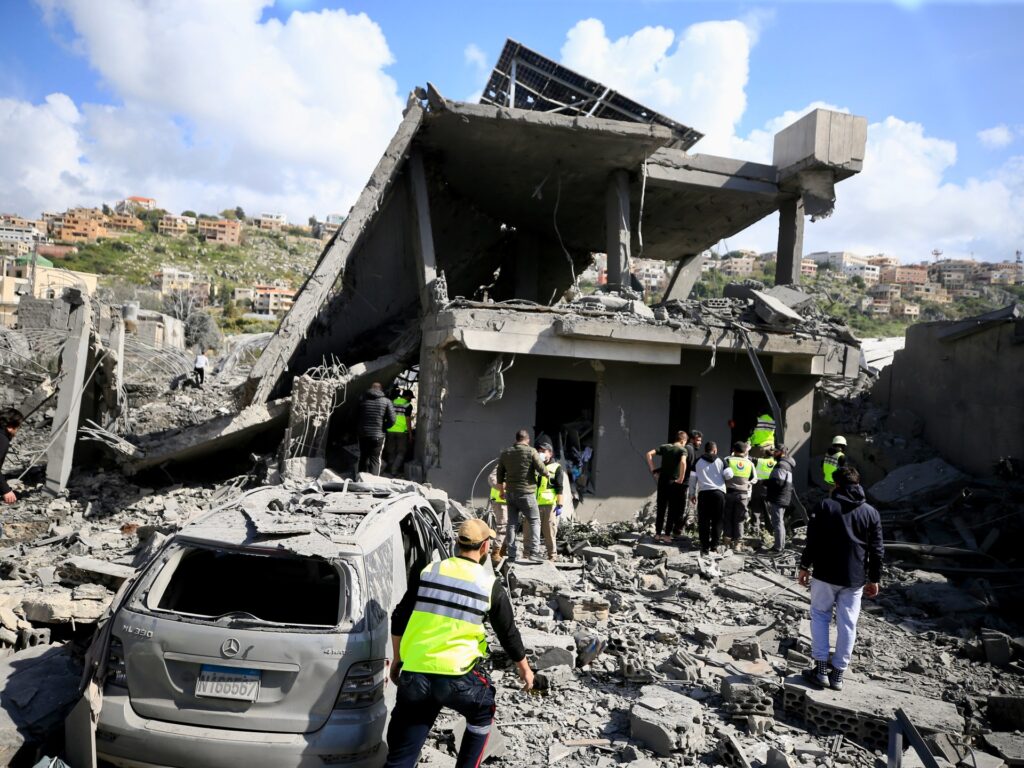
The Iranian Red Crescent has provided a sobering report indicating that more than 92,600 civilian units have suffered damage across Iran due to sustained US-Israeli military actions. These attacks have severely impacted everyday life and infrastructure, raising grave concerns about humanitarian conditions in the affected areas.
The entry of Yemen into this conflict scenario adds a fresh dimension to the war, as it not only intensifies the military engagement but also potentially draws more actors into the fray. Yemen’s strategic location and ongoing instability make the region particularly vulnerable to further escalations.
The US and Israel have justified their attacks as necessary measures to counter threats perceived to emanate from Iran’s military and nuclear ambitions. However, the extensive damage to civilian units has drawn widespread criticism from international observers and human rights organizations, who call for restraint and respect for civilian protection under international law.
Iran has condemned the attacks from Yemen and elsewhere, asserting that these aggressive actions will not deter its regional policies or defense capabilities. Tehran has vowed to respond to protect its sovereignty and citizens, raising fears of a protracted and wider conflict.
The international community remains deeply concerned about the escalating violence and its broader implications for Middle Eastern stability. Diplomatic efforts to mediate and bring both sides to the negotiating table have yet to yield significant progress.
As the situation develops, there is a critical need for transparent reporting and humanitarian support to aid the civilians caught in the conflict zones. The damage to over 92,600 civilian units highlights the urgent requirement for international assistance and conflict de-escalation initiatives.
The expansion of the war into Yemen underscores the fragile state of peace in the region and the potential for the conflict to draw in neighboring countries. It represents a worrying trend that could reshape the geopolitical landscape if not addressed promptly.
In summary, the US-Israeli war on Iran has taken a dangerous turn with the involvement of Yemen, escalating the conflict and exacerbating the toll on Iranian civilians. The civil and infrastructural damage reported by the Iranian Red Crescent reflects the heavy civilian cost, emphasizing the dire need for a ceasefire and renewed diplomatic engagement to prevent further devastation.