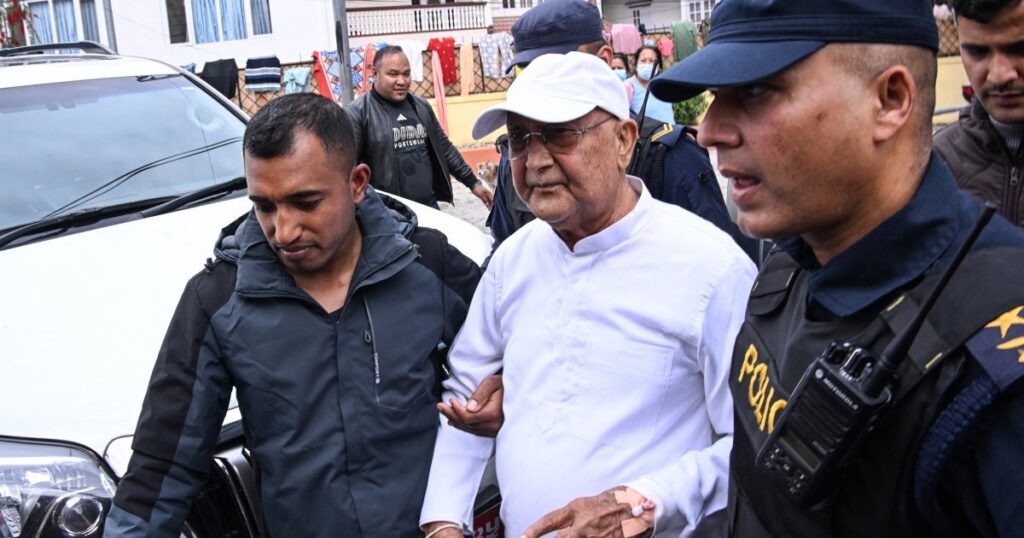
In a significant political development, Nepal’s former Prime Minister KP Sharma Oli has been detained in connection with his alleged involvement in a brutal crackdown on deadly protests. The arrest marks an unprecedented moment in Nepalese politics, reflecting increasing governmental efforts to address past injustices and enhance accountability.
The protests in question occurred last year, with demonstrators raising concerns over a series of political and social issues. The government’s response was widely criticized for its severity, resulting in numerous injuries and several fatalities. Allegations have since surfaced accusing the former administration of orchestrating the harsh crackdown to suppress dissent.
Former PM Oli, a dominant figure in Nepalese politics, has been under scrutiny for his role during this period. Authorities claim that evidence points to his direct involvement in sanctioning the law enforcement actions that led to the violent dispersal of protesters.
The new home minister, speaking at a press conference following Oli’s detention, described the arrest as “the beginning of justice” for the victims and the nation. They emphasized the government’s commitment to upholding rule of law and ensuring that those responsible for human rights violations are held accountable, irrespective of their political stature.
This move has sparked mixed reactions across Nepal’s political and civil society spectrum. Supporters of Oli condemn the detention as politically motivated, warning it might deepen divisions within the country’s fragile democratic framework. Conversely, human rights advocates and many citizens have welcomed the development, viewing it as a necessary step towards reconciliation and the normalization of political conduct.
Legal experts are now closely watching the proceedings, as this case could set crucial precedents regarding political accountability and justice in Nepal. It raises pressing questions about the limits of political immunity and the effectiveness of the judiciary system when dealing with high-profile figures.
The government has assured transparency throughout the investigation and trial process, pledging that it will adhere to international standards for fair legal procedures. Meanwhile, Oli remains in custody as the inquiry continues, with prosecutors gathering more evidence and testimonies related to the crackdown.
The detention of such a prominent ex-leader underscores Nepal’s evolving political landscape, where calls for justice and democratic reforms are increasingly gaining momentum. Whether this milestone will lead to lasting political stability and the strengthening of democratic institutions remains to be seen.
For now, the country watches closely as this historic legal process unfolds, symbolizing a pivotal moment in Nepal’s pursuit of justice and accountability in governance.