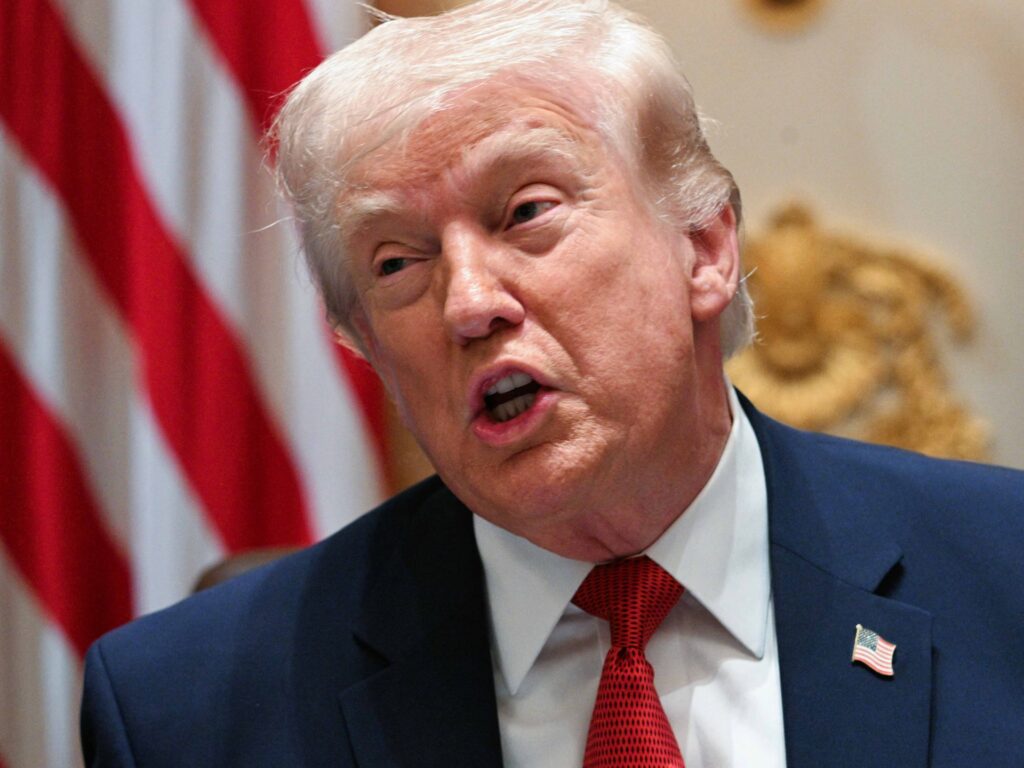
In a recent statement, former U.S. President Donald Trump announced that he is “pausing” his plan to destroy Iranian power plants for 10 days. This unexpected decision marks a temporary halt in aggressive measures directed towards Iran’s critical infrastructure.
The plan, which involved targeting Iran’s power plants, was part of Trump’s broader strategy to pressure Iran over its nuclear program and regional activities. However, amidst rising tensions and concerns over potential escalation, Trump opted for a 10-day pause, signaling a possible reconsideration or diplomatic window.
The use of force against Iranian power plants would have significantly impacted the country’s energy supply, potentially crippling vital services and escalating conflict further in the volatile Middle East region.
Analysts suggest that the pause might be aimed at allowing for diplomatic efforts to take effect or to gauge international reactions. This move could also be a strategic attempt to avoid immediate military conflict while maintaining leverage over Iran.
Iran has not yet publicly responded to the announcement, but they have historically condemned such aggressive measures as violations of sovereignty and threats to regional stability.
The international community watches closely, as any action taken against Iran’s infrastructure could have widespread geopolitical consequences. The 10-day pause might provide an opportunity for renewed talks or interventions by global powers seeking to deescalate tensions.
This development comes amid ongoing disputes, including Iran’s nuclear ambitions and its influence in various Middle Eastern conflicts. Trump’s announcement adds a new dimension to the complex diplomatic landscape, blending threats of military action with moments of restraint.
As the 10-day period progresses, there will likely be intense scrutiny on any developments or shifts in policy, with observers eager to see whether the pause leads to meaningful dialogue or a resumption of aggressive plans.
The situation remains fluid, with potential implications for regional security, international relations, and the global energy market. Trump’s decision to pause, rather than cancel, the plan leaves open the possibility of future action, contingent on the evolving political context.