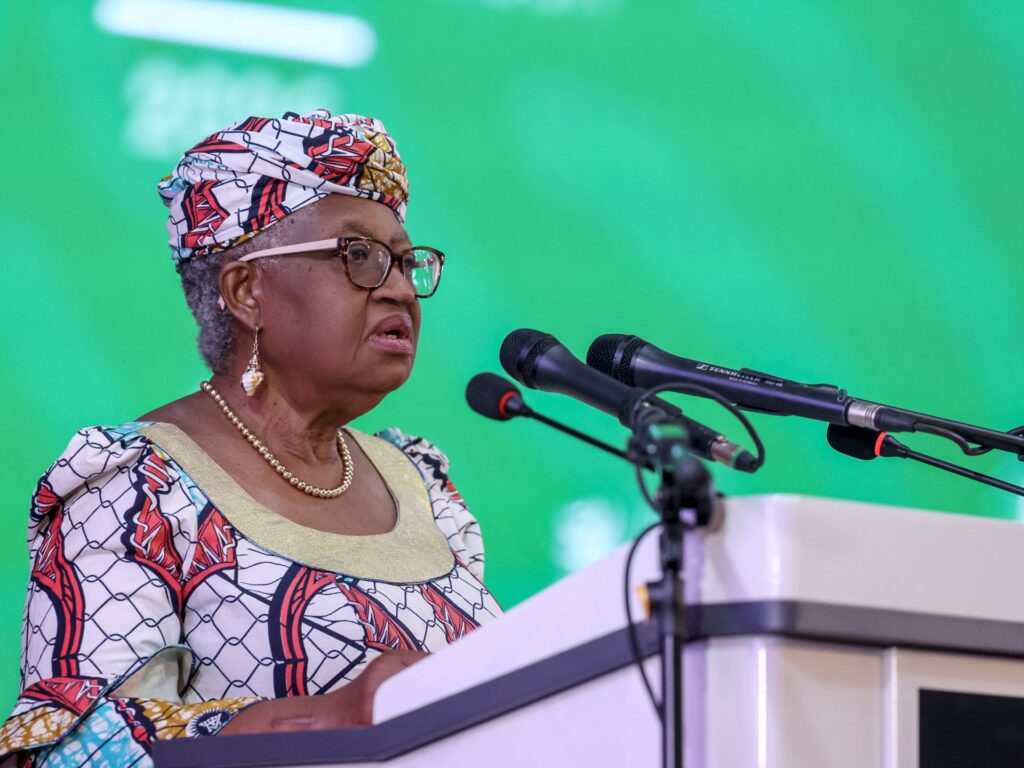
The World Trade Organization (WTO) recently convened a crucial meeting amidst increasing uncertainty surrounding the future of the global multilateral trading system. The session was marked by high tensions as member nations grapple with the lingering impacts of tariff wars that have severely disrupted the traditional framework of international trade.
These tariff conflicts, which have escalated over the past few years, have notably undermined the once-stable system that governed international trade and economic cooperation. The WTO, as the principal body responsible for negotiating trade rules and resolving disputes, now faces intense pressure to reform in order to address new realities and restore confidence among members.
The core challenge confronting the WTO is its current inability to adapt swiftly to the changing dynamics of global trade. The organization’s existing mechanisms for dispute resolution and trade negotiation are widely seen as inadequate or outdated, causing frustration among member countries who seek faster and more effective processes.
During the meeting, several participants expressed concerns that without meaningful reforms, the multilateral system could face a serious breakdown. The fear is that stagnant negotiations and procedural gridlocks may prompt some countries or blocs to circumvent the WTO framework entirely.
This apprehension was underscored by warnings that “some people are writing a new rulebook,” implying that nations might increasingly resort to forming bilateral or regional trade agreements as alternatives. Such a trend could fragment global trade governance and diminish the WTO’s influence.
Key topics discussed at the crunch meeting included redesigning the dispute settlement system to make it more accessible and decisive, enhancing transparency and fairness in trade policies, and addressing emerging trade issues like digital commerce and environmental sustainability.
Many delegates also stressed the importance of inclusivity, highlighting the need to accommodate the interests of both developed and developing countries. Ensuring that reforms support economic development and reduce inequalities remains a critical goal for the organization.
The meeting closed without a definitive agreement on reforms, reflecting the complex and divergent interests of member states. However, it signaled a shared recognition that the status quo is untenable and that robust change is imperative for the WTO to remain relevant.
Experts have noted that the outcome of these negotiations could profoundly impact the global economy, influencing supply chains, investment flows, and international cooperation on trade-related challenges.
Looking ahead, the WTO has scheduled follow-up discussions aimed at building consensus around reform proposals. The coming months will be critical for determining whether the world trading system can be reshaped to effectively address 21st-century economic realities or whether fragmentation will accelerate.
In conclusion, the WTO’s recent crunch meeting highlighted the urgent need for reform in the face of tariff wars and growing skepticism about the multilateral system’s effectiveness. While the organization struggles to find common ground, the risk remains that without concerted efforts, fragmented trading blocs and alternative rulebooks could redefine global trade governance in ways that are less predictable and inclusive.