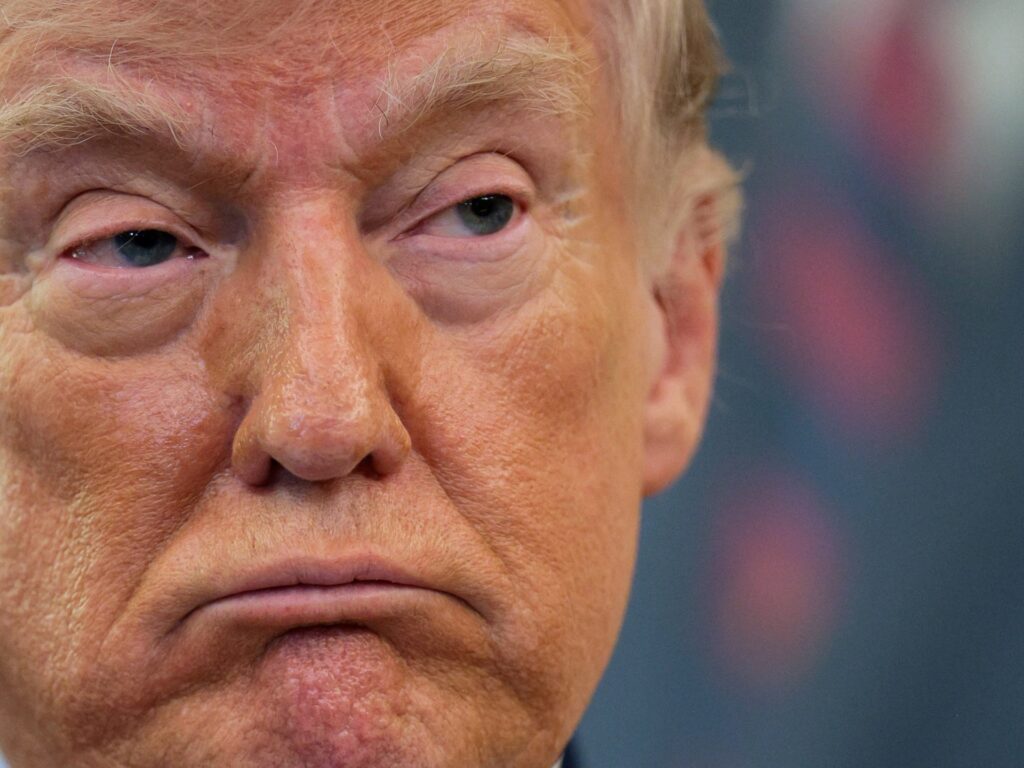
In a recent development that has captured global attention, US President Donald Trump has decided to postpone planned strikes on Iran’s power grid to April 6, signaling a potential window for diplomatic negotiations. The initial threat of military action was part of a broader strategy to pressure Iran into reopening the Strait of Hormuz, a critical maritime passageway through which a significant portion of the world’s oil supply transits. This move by President Trump comes amid escalating tensions between the United States and Iran, following a series of confrontations in the Gulf region.
The Strait of Hormuz holds a strategic position for global energy markets, as approximately 20% of the world’s petroleum passes through this narrow waterway daily. Iran’s control over parts of the strait and its recent threats to close it have raised fears of severe disruptions to energy supply chains, potentially causing widespread economic repercussions. President Trump’s administration has been clear in its intention to use military and economic leverage to ensure the strait remains open and secure for international shipping.
The decision to delay the strikes reflects a measured approach by the Trump administration, allowing time for diplomatic efforts to de-escalate the situation. Officials in Washington have indicated that this postponement is contingent upon ongoing talks with Iran and other international stakeholders aimed at resolving tensions peacefully. These talks focus on issues such as Iran’s nuclear program, its support for proxy groups in the Middle East, and freedom of navigation in international waters.
Analysts suggest that the postponement could pave the way for significant diplomatic breakthroughs or, conversely, could be used by Iran to regroup and strengthen its defenses. The international community remains watchful, with many countries urging restraint and dialogue to prevent further escalation that could spiral into widespread conflict.
President Trump’s threat to strike the Iranian power grid was unprecedented, highlighting the administration’s willingness to consider harsh measures to achieve its strategic objectives. Such strikes could have far-reaching consequences, potentially crippling Iran’s infrastructure and provoking retaliatory attacks. Experts warn that any military action in this volatile region could destabilize the Middle East and disrupt global markets.
The US and Iran have a history of fraught relations, with tensions reaching new heights following the US withdrawal from the Iran nuclear deal in 2018 and the imposition of stringent sanctions. This backdrop adds complexity to any potential resolution and underscores the importance of careful negotiation.
Meanwhile, Iran has maintained a defiant stance, asserting its rights over its territorial waters and denying any intention of disrupting global shipping. Tehran has also called for the lifting of sanctions that it claims have severely impacted its economy and people.
As the April 6 deadline approaches, both governments face mounting pressure to find a peaceful solution. The world watches closely, hoping that diplomacy will prevail over conflict, and that the vital Strait of Hormuz will remain open, safeguarding international trade and regional stability.
The postponement of the strikes offers a critical opportunity for dialogue and resolution. However, the situation remains fragile, and any missteps could quickly reignite tensions. The coming days will be pivotal in shaping the future of US-Iran relations and broader regional dynamics. The international community continues to advocate for peaceful engagement, emphasizing that the costs of conflict would be devastating for all parties involved.