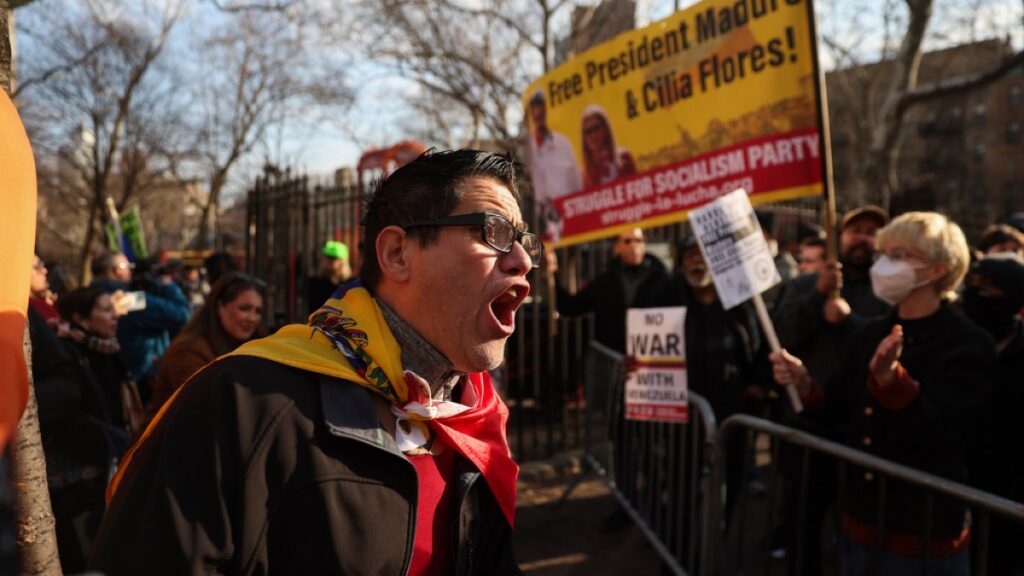
In a significant judicial development, US District Judge Alvin Hellerstein is currently weighing the implications of former President Donald Trump’s decision to block Venezuelan government funds allocated for the legal defense of President Nicolás Maduro. This case highlights the intersection of international relations, law, and the contentious political landscape surrounding Venezuela’s leadership.
Judge Hellerstein declined to dismiss the case against Maduro, indicating the court’s willingness to hear the merits of the situation despite the complexities involved. During the proceedings, the judge raised pointed questions directed at U.S. prosecutors regarding Maduro’s ability to access funds for his defense. This scrutiny underscores concerns about fair trial rights and the potential impact of the U.S. administration’s sanctions policies on judicial proceedings involving foreign nationals.
The background of this legal challenge lies in the U.S. government’s sanctions regime against Venezuela, which aims to restrict financial flows to the Maduro administration. The Trump-era decision to bar Venezuelan funds for Maduro’s defense exemplifies these efforts, designed to increase pressure on Maduro’s government amid accusations of authoritarianism and undermining democratic institutions.
Maduro’s defense team argues that blocking access to these funds violates principles of justice and denies Maduro the necessary financial resources to mount an effective legal defense. They assert that such restrictions could prejudice the ongoing case and impede the fair administration of justice. Meanwhile, U.S. prosecutors maintain that the sanctions are a lawful and strategic component of foreign policy that aligns with U.S. interests and international norms.
Legal experts note that this situation presents a complex question of balancing national security concerns and foreign policy objectives against the rights of individuals facing prosecution in U.S. courts. The outcome of this case could set a precedent for how court systems navigate conflicts between sanctions enforcement and defendants’ rights.
Moreover, this case has broader implications for international law and diplomatic relations, as it touches upon sovereign immunity, the treatment of foreign government officials in judicial processes, and the limits of extraterritorial application of U.S. sanctions.
As Judge Hellerstein continues to deliberate, the international community watches closely. The decision will not only affect the immediate parties but could influence future U.S. policy and judicial handling of similar cases involving sanctioned foreign leaders.
This judicial examination underscores the ongoing tensions between the objectives of U.S. foreign policy and the principles of legal fairness. The ruling is anticipated with interest from legal scholars, policymakers, and human rights advocates who monitor the balance of power and justice on the world stage.
In conclusion, Judge Hellerstein’s consideration of Trump’s decision to bar Venezuelan funds from Maduro’s defense serves as a critical juncture in the intersection of law, politics, and diplomacy. The case will provide pivotal insights into how U.S. courts may handle sanctions-related issues affecting the rights of foreign defendants moving forward.