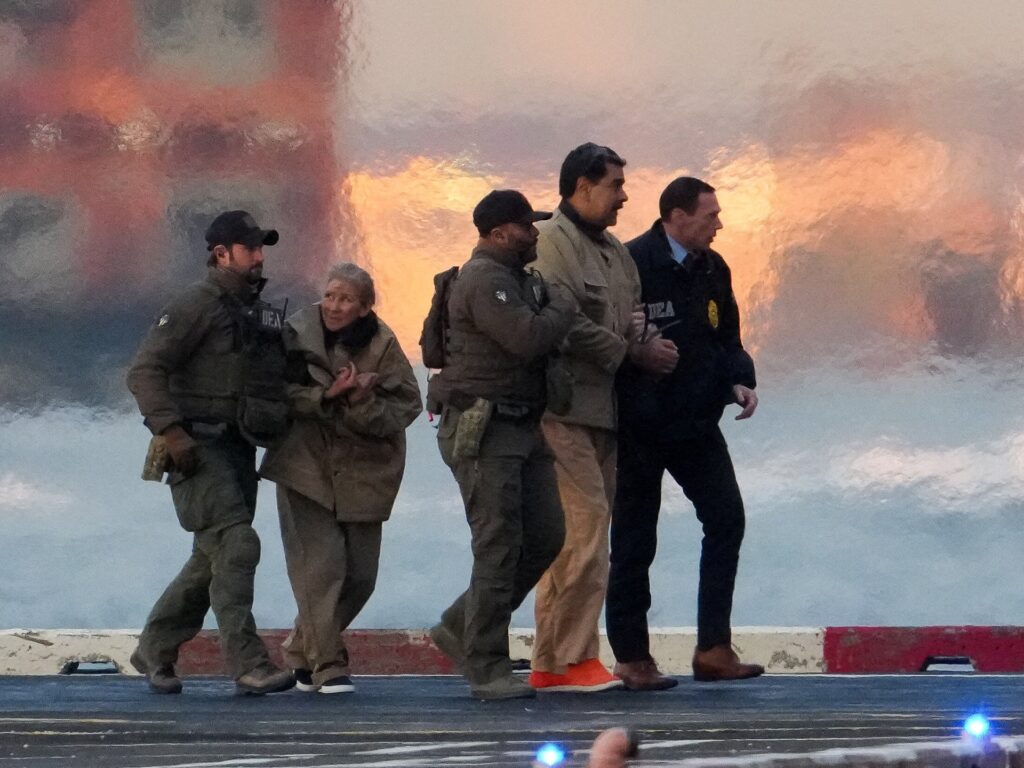
Venezuela’s President Nicolás Maduro is scheduled for a second court appearance in the United States on March 26. This appearance follows a highly controversial series of events beginning with his abduction by the US military on January 3. The extraordinary nature of this case has raised considerable attention and debate worldwide, focusing on the legal grounds and political implications.
The case against Maduro is centered on accusations brought forth by the US government, alleging involvement in severe criminal activities, including drug trafficking and corruption. These allegations have been vigorously denied by Maduro and his administration, who claim that the charges are politically motivated efforts to undermine Venezuela’s sovereignty.
Maduro’s initial court appearance marked a significant moment in international law since it involved the capture and extradition of a sitting head of state by foreign military forces, a move many experts describe as unprecedented and provocative. The abduction has invoked widespread criticism and concern over the legality of the US military’s actions, potentially violating international treaties and norms.
The upcoming hearing is expected to delve deeper into the evidence supporting the US government’s claims and challenge the defense’s arguments regarding the legality of Maduro’s capture and the validity of the charges. Legal analysts speculate that the case will hinge on substantial proof connecting Maduro directly to illicit activities, as well as the procedural legitimacy of his detention.
Critics of the US approach argue that the case could escalate geopolitical tensions, potentially destabilizing the region further. They caution that a controversial trial might harm diplomatic relations and provoke retaliatory political responses from Venezuela and its allies.
Supporters of the US position emphasize the importance of holding high-ranking officials accountable for corruption and crimes that allegedly harm the people and institutions of Venezuela. They view the trial as a necessary step toward justice and combating drug trafficking on a global scale.
This case poses complex questions about the intersection of international law, justice, and global politics. As the March 26 hearing approaches, the eyes of the world remain fixed on the developments in this landmark legal proceeding. The outcome could set significant precedents for how nations address alleged criminal conduct by sitting heads of state in an era of heightened political friction.
In summary, the strength of the case against Nicolás Maduro will likely depend on the quality and legality of evidence presented and the court’s interpretation of international law concerning his abduction and detention. Regardless of the verdict, this landmark case will echo in international legal and diplomatic circles for years to come.