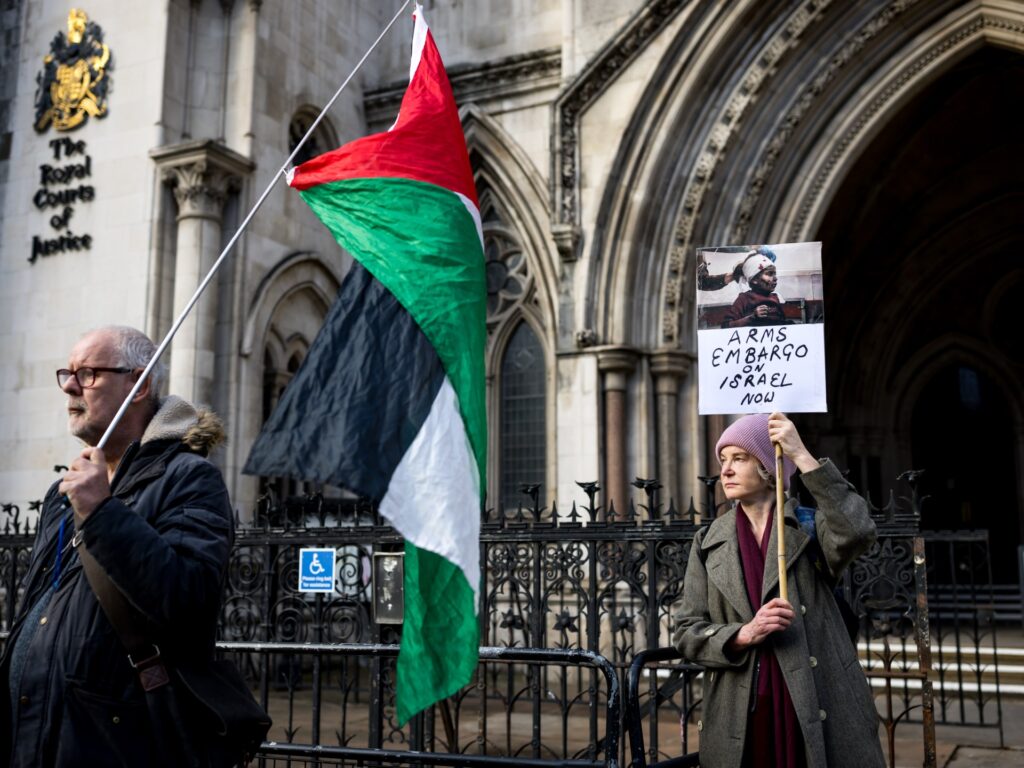
In a recent development, London’s Metropolitan Police have announced their intention to resume arrests of Palestine Action protesters, reversing their earlier easing of enforcement following a pivotal High Court ruling. The High Court had deemed the initial ban on Palestine Action unlawful, prompting law enforcement to relax their arrest strategies temporarily.
Palestine Action, known for its direct action campaigns aimed at disrupting arms and military equipment production linked to the Israeli-Palestinian conflict, had faced a legal ban that the High Court later overturned. This ruling was seen as a significant victory for the protesters, who argued that their right to peaceful protest and freedom of expression was being infringed.
Despite the court’s judgment, the Met Police have indicated a crackdown is forthcoming, signaling that arrests will recommence. This move has raised questions and concerns about the balance between maintaining public order and respecting the legal rights of demonstrators.
The police’s announcement suggests that authorities may have found grounds to continue targeting the group based on their ongoing activities, which could be perceived as disruptive or unlawful under other statutes. However, details about the specific reasons for this renewed enforcement have not been fully disclosed.
Supporters of Palestine Action view the police’s intent to arrest as a suppression of legitimate political activism, emphasizing the importance of their demonstrations in raising public awareness about issues in Palestine. Conversely, law enforcement maintains that public safety and legal compliance must be upheld.
This scenario underscores the complexities faced by judicial and law enforcement agencies when balancing civil liberties with public safety concerns. The initial High Court ruling had fostered hopes for greater tolerance of protest activities, but the recent police stance suggests a more cautious approach.
The situation remains dynamic, with potential implications for future protest rights and policing strategies in the UK. Both activists and authorities are closely monitoring developments, anticipating further legal and political dialogue.
The case highlights the ongoing struggles within democratic societies to accommodate dissent and protest while ensuring the rule of law is never compromised. As the police prepare to take action again, the broader debate about protest rights in the UK continues to evolve.