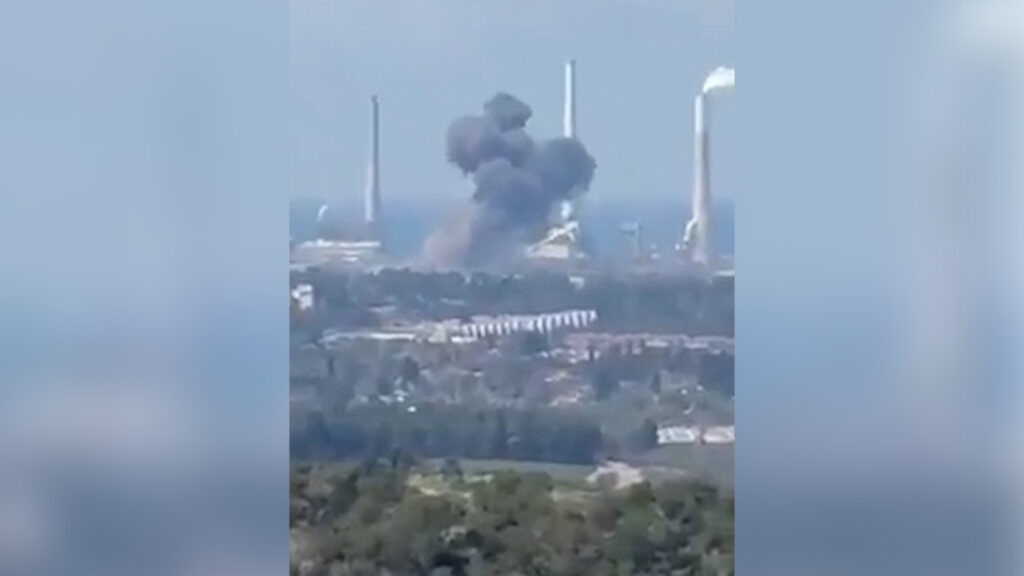
In a recent and alarming development, explosions and plumes of smoke have been sighted across various locations in Israel, following what are believed to be missile strikes originating from Iran. The incident marks a significant escalation in tensions between the two nations, raising concerns about regional security and stability.
Eyewitnesses in Israeli cities reported hearing loud explosions and witnessing large clouds of smoke billowing from targeted areas. Emergency services responded swiftly to the scenes, with firefighting units attempting to control fires sparked by the strikes, and medical teams attending to the injured.
While official sources have yet to confirm the full extent of the damage or casualties, the initial reports suggest that the missile strikes were precise and potentially aimed at key infrastructure or military installations. This attack is suspected to be carried out by Iranian forces, known for their increasing influence and military capabilities in the region.
The motives behind the missile launches reportedly tie back to the longstanding hostilities and complex political dynamics between Iran and Israel. Analysts note that such actions could provoke further retaliations, escalating into broader conflicts that might involve neighboring countries and international actors.
Israeli authorities have condemned the missile strikes as a blatant act of aggression, vowing to respond decisively. The government has urged citizens to remain vigilant and follow safety protocols as investigations continue.
International reactions to the incident have been swift. Several countries and global organizations have called for restraint and negotiations to prevent further deterioration of peace in the Middle East. Diplomatic channels are reportedly active as world leaders seek to de-escalate tensions and encourage dialogue.
This episode adds to the ongoing volatility in the Middle East, where various geopolitical interests intersect, and longstanding disputes frequently result in military confrontations. The incident underscores the fragile security environment and the urgent need for diplomatic efforts to prevent war.
As the situation develops, further updates are expected regarding the impact of the strikes, the response measures undertaken by Israel, and the international community’s role in mediating the conflict. Authorities continue to monitor the situation closely, prioritizing civilian safety and regional stability.
This event is a stark reminder of the persistent challenges facing peace in the region and the complexities involved in resolving deep-rooted conflicts through diplomacy.