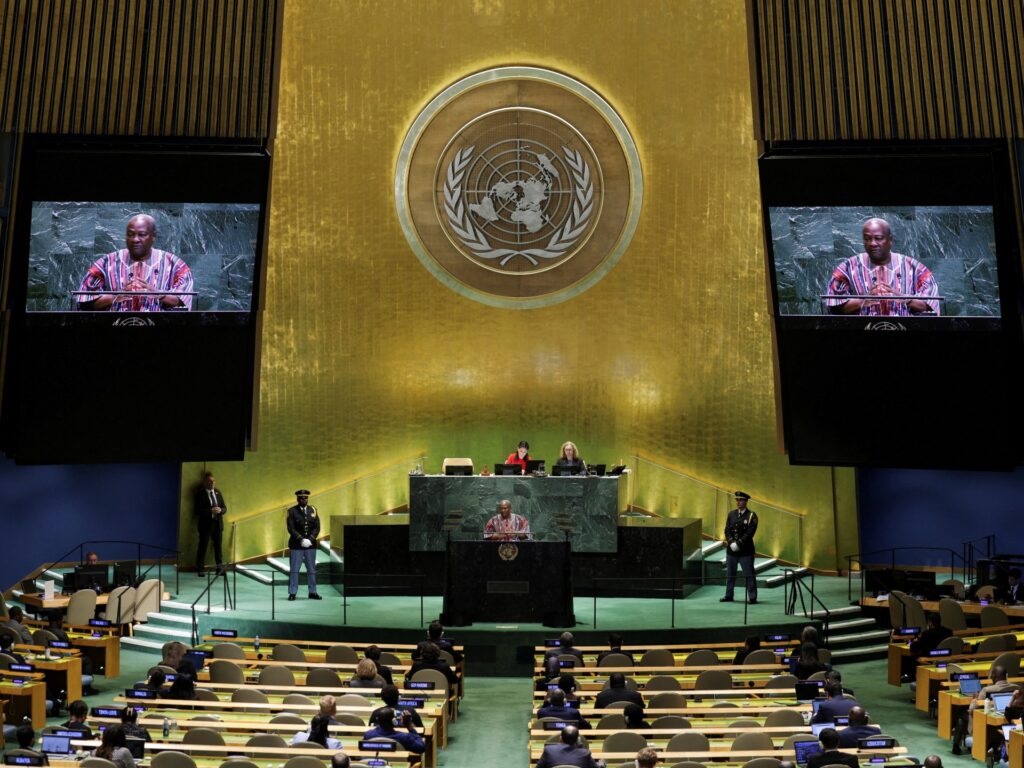
The United Nations has passed a groundbreaking resolution formally recognizing the transatlantic slave trade as the ‘gravest crime against humanity.’ This historic resolution underscores the global consensus on the horrific nature of slave trade and the enduring impact it has left on generations worldwide.
The resolution garnered overwhelming support from 123 countries, reflecting a broad international commitment to acknowledge and condemn the atrocities associated with the transatlantic slave trade. This move aims to foster healing, remembrance, and a collective effort to address the legacies of slavery.
However, the resolution also faced opposition from three nations, including the United States and Israel. These countries voted against the resolution, sparking discussions and debates about the political and historical implications of such a declaration.
The transatlantic slave trade, spanning from the 15th to the 19th century, saw millions of Africans forcibly taken from their homelands and sold into slavery across the Americas and Europe. The trade has left deep scars, shaping social and economic inequalities that persist today.
Supporters of the resolution argue that formal recognition by the UN is vital for ensuring justice, promoting education about the crimes, and combating modern forms of slavery and racial discrimination. They believe the resolution is a step forward in acknowledging the suffering of enslaved peoples and their descendants.
Opponents of the resolution have raised concerns about the potential political ramifications and the impact on diplomatic relations. Some argue that the resolution may complicate international collaboration on other issues or open debates over reparations and historical responsibilities.
The resolution calls on all UN member states to implement educational programs that highlight the history and consequences of the slave trade. It also encourages efforts to eliminate contemporary forms of slavery, trafficking, and related human rights violations.
As the world reflects on this declaration, the resolution serves as a reminder of the importance of confronting difficult historical truths. It also prompts nations to work collaboratively toward justice, equality, and respect for human dignity for all.
The UN’s move signals a global recognition of the transatlantic slave trade’s devastating impact and the necessity of a unified stance against all crimes against humanity. With widespread support, the resolution marks a significant moment in the international community’s ongoing effort to address historical injustices and prevent their recurrence in the future.