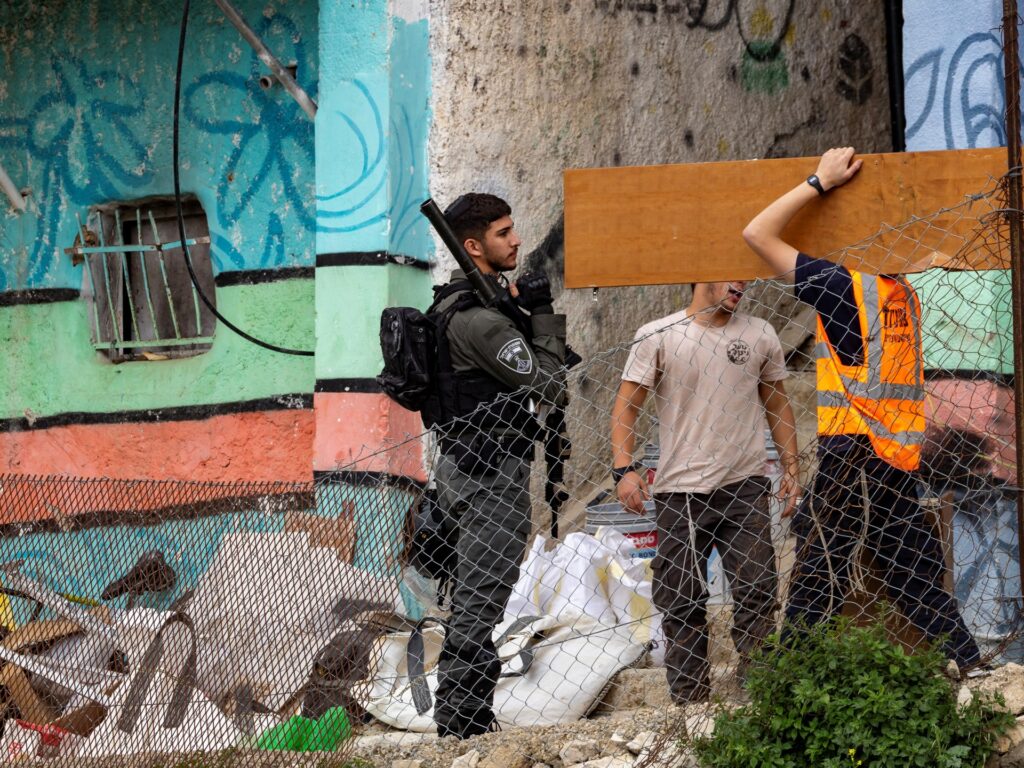
Recent developments in East Jerusalem have seen an alarming increase in the forced displacement of Palestinian families by Israeli authorities. According to human rights organizations, this expansion of displacement efforts is not merely routine urban policy but amounts to a systematic campaign of ethnic cleansing targeted at the Palestinian population in the contested area.
East Jerusalem, a focal point of the Israeli-Palestinian conflict, is an area declared by Israel as its united capital, a declaration not internationally recognized. It is home to a significant Palestinian population, many of whom face legal and bureaucratic challenges that put their residency at constant risk. The imposition of eviction orders on Palestinian families has escalated, resulting in numerous households being forcibly removed from their homes.
Human rights groups argue that these evictions are part of a calculated strategy to change the demographic composition of East Jerusalem. By displacing Palestinians, the groups contend, Israel is seeking to deepen its control over the area while undermining the Palestinian claim to the city.
The displaced families often face dire circumstances—left homeless and without adequate support, they struggle to find safe and affordable accommodation. The psychological and social toll of such displacement is profound, affecting children, elders, and entire communities.
International responses have been mixed but include widespread condemnation from rights organizations and calls for Israel to halt the evictions and respect international law. The United Nations and several countries have expressed concern over the human rights implications of these actions.
Meanwhile, Israeli authorities maintain that the evictions are legal and necessary measures to enforce property laws and maintain order. They assert that the actions are not aimed at any ethnic group but are part of broader urban and legal regulation efforts.
The ongoing situation in East Jerusalem remains highly volatile, with each eviction fueling tensions and potential unrest. Analysts warn that without meaningful intervention from the international community and renewed efforts toward a negotiated peace, the cycle of displacement and conflict is likely to continue.
The plight of the Palestinian families facing eviction highlights the broader struggle for rights, dignity, and self-determination in Jerusalem. As Israel expands its presence and control, the question of the city’s future remains deeply contentious and unresolved.
This development underscores the urgent need for renewed dialogue aimed at protecting the rights of all residents of East Jerusalem and finding a peaceful resolution to one of the most intractable disputes in the Middle East.