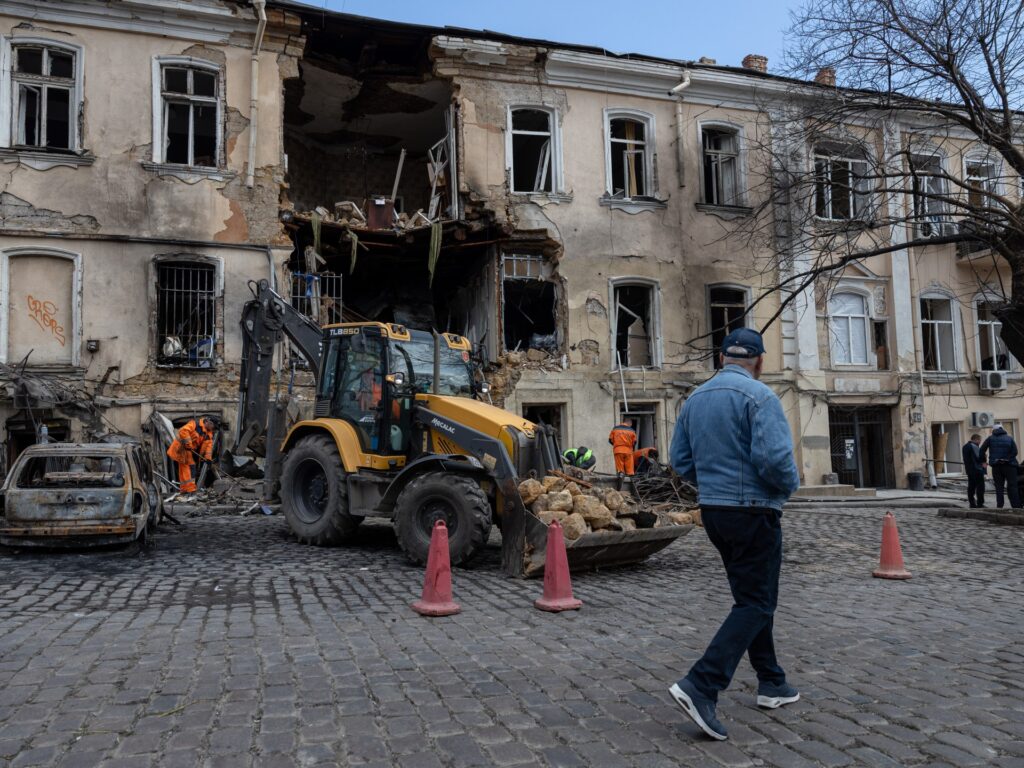
The ongoing conflict between Russia and Ukraine has escalated to a critical stage where tit-for-tat attacks have caused massive power outages affecting over half a million residents across both countries. Recent attacks have knocked out electricity for approximately 450,000 people in Russia’s Belgorod region, while Ukrainian officials reported power cuts for about 150,000 consumers in the Chernihiv region.
This development highlights the increasing strain on civilian infrastructure as the conflict intensifies. The Belgorod region, located near the Russia-Ukraine border, has experienced repeated shelling and drone attacks aimed at critical facilities. These assaults have targeted power stations and substations, resulting in widespread disruptions to the regional electricity grid.
In response, Ukrainian forces confirmed reciprocal actions targeting Russian energy assets as part of their tactical operations. The power outages in Chernihiv, located in northern Ukraine, have severely affected homes, businesses, and essential services, compounding the already dire humanitarian situation.
Local authorities in Belgorod have reported that restoration efforts are ongoing despite the challenges posed by continued hostilities and unstable security conditions. Emergency crews are working around the clock to repair the damages to power infrastructure and to provide relief to affected populations.
Similarly, Ukrainian engineers and emergency services are engaged in repairing damaged electrical facilities in Chernihiv to restore reliable power supply amid the ongoing conflict. Both sides have expressed concerns over the impact of these attacks on civilian populations, emphasizing the need to protect critical infrastructure in war zones.
The power outages have far-reaching effects beyond simple inconvenience. Electricity is crucial for heating, especially as colder months approach, communication networks, water supply systems, and medical services. Prolonged power disruptions could worsen humanitarian conditions, making recovery and daily survival more challenging.
International humanitarian organizations have called for immediate de-escalation and urged both Russia and Ukraine to ensure civilian infrastructure is spared from attacks. These groups warn that targeting energy facilities risks crossing red lines under international law and exacerbating the suffering of vulnerable populations.
The conflict’s impact on energy infrastructure underscores the broader consequences of the war on civilian life. It also highlights the vulnerability of critical utilities in modern conflicts, where infrastructure becomes a strategic target and a tool of warfare.
As efforts continue to restore power and maintain essential services, both governments face mounting pressure to find avenues for reducing hostilities and safeguarding civilians. The international community remains watchful of developments and continues to advocate for peaceful resolutions to end human suffering resulting from the ongoing conflict.
In summary, the tit-for-tat attacks between Russia and Ukraine have led to substantial power outages affecting over 600,000 people, with 450,000 in the Belgorod region and 150,000 in Chernihiv. Restoration efforts are underway amid ongoing military actions, underscoring the urgent need for protection of civilian infrastructure and humanitarian assistance in the region.