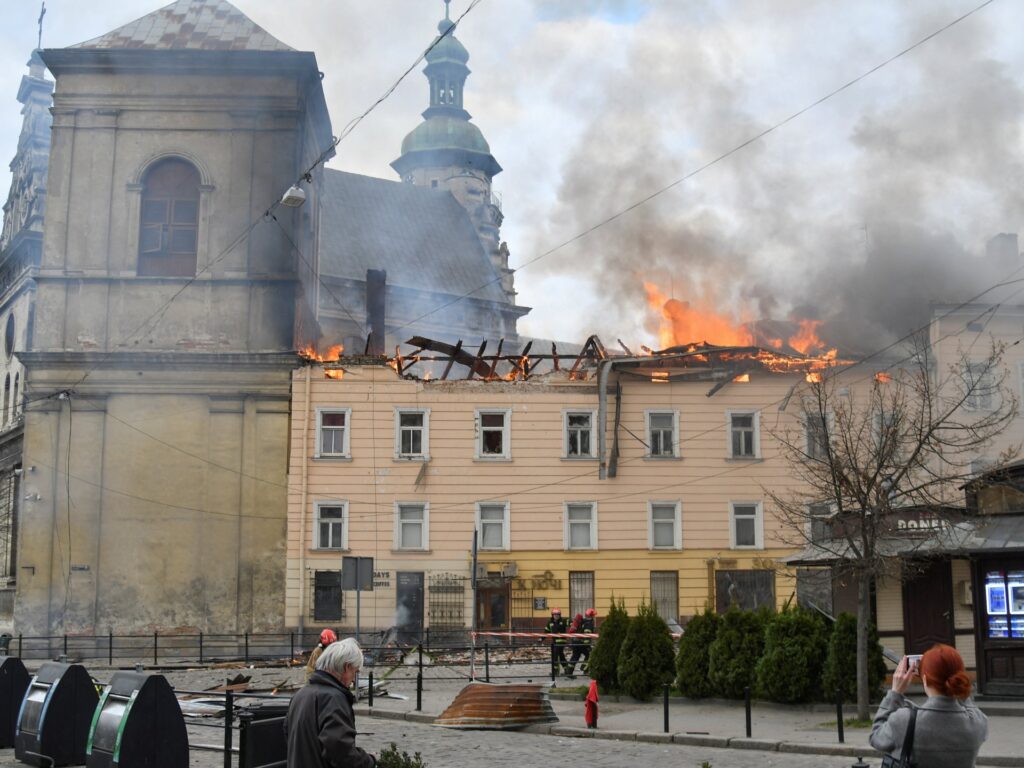
In a significant escalation of hostilities, Russia has launched a rare daytime artillery barrage on Ukraine, marking the beginning of a new offensive.
The attack came as Ukrainian forces brace for intensified conflict, with President Volodymyr Zelenskyy warning of critical shortages in missile supplies. Zelenskyy expressed concerns that international aid, particularly from the United States, is being diverted due to Washington’s focus on its conflict with Iran.
The daytime barrage represents a tactical shift for Russian forces, who typically engage in nighttime assaults to minimize their own exposure. This aggressive move has heightened tensions and increased fears of a protracted and intensified war.
Kyiv has been enduring relentless attacks over the past years following Russia’s incursion, with international communities imposing sanctions and providing military support to Ukraine. However, the sustainability of this support appears increasingly strained amid global geopolitical realignments.
President Zelenskyy’s remarks highlight a critical issue for Ukraine’s defense strategy: the availability of adequate missile systems to counter Russian advances. The Ukrainian military relies heavily on precision strikes to target hostile forces and infrastructure.
Experts note that the diversion of US military resources towards the Middle East could delay or reduce the flow of crucial armaments to Ukraine. This shift complicates Ukraine’s efforts to maintain its defenses and puts additional pressure on Kyiv to seek alternative sources of military aid.
The new Russian offensive has reportedly concentrated on multiple fronts, testing Ukrainian defense lines and attempting to gain territorial advantage. The daytime nature of the attacks has also caught some Ukrainian units off guard, prompting calls for strategic reassessment and enhanced preparedness.
International diplomatic circles have condemned the renewed assault and urged Russia to abide by ceasefire agreements. Meanwhile, NATO and allied nations are reviewing their support strategies to ensure Ukraine can withstand the current and future phases of the conflict.
Humanitarian agencies have also raised alarms about the escalating violence, pointing to increasing civilian casualties and displacement resulting from the intensified fighting. The safety of non-combatants remains a major concern as combat zones expand.
As the situation unfolds, Ukraine continues to call for greater international solidarity and support, stressing the importance of sustained military aid and diplomatic efforts. The evolving dynamics of this conflict underscore the fragile balance of power in the region and the broader implications for global security.
With the conflict showing no signs of abating, all eyes remain on the responses from key global players and the resilience of the Ukrainian people amid these trying times.