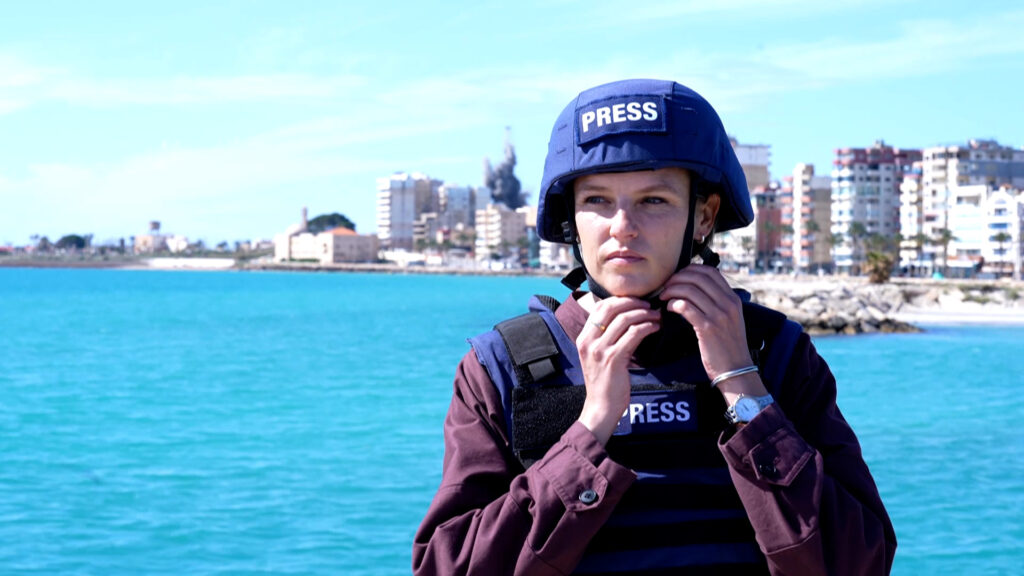
During a live Al Jazeera broadcast, an Israeli missile struck a waterfront building in the city of Tyre, Lebanon, interrupting the report by an Al Jazeera journalist. The incident highlights the ongoing tensions and conflict in the region, where Israeli military actions frequently impact Lebanese areas, particularly in southern Lebanon near the Israeli border.
The event occurred as the Al Jazeera journalist was reporting from Tyre, a coastal city known for its historical significance and strategic location. The sudden missile strike caused immediate disruption and raised concerns about civilian safety and media freedom in conflict zones.
Israeli military operations in Lebanon have often targeted sites associated with armed groups, but incidents affecting civilian infrastructure and media personnel continue to draw international scrutiny. The missile strike in Tyre not only damaged property but also served as a stark reminder of the fragile security situation in Lebanon.
Local authorities and international observers condemned the attack, urging restraint and calling for respect toward journalists covering events in conflict zones. The incident emphasizes the risks faced by media workers and civilians alike.
The Lebanese government has been vocal in its criticism of Israeli military actions, which it considers violations of Lebanese sovereignty. This latest strike adds to a series of confrontations that underscore the complexities of the Israeli-Lebanese border conflict.
Humanitarian groups have expressed concern over the impact of such strikes on the civilian population, including the disruption of essential services and the heightened fear among residents in affected areas.
The international community continues to monitor the situation, with calls for renewed dialogue and efforts to reduce hostilities. Meanwhile, the role of journalists remains critical in providing accurate information amidst the turbulence.
This incident in Tyre serves as a potent example of the challenges faced by reporters operating in volatile environments and the broader implications of ongoing conflict in the Middle East.