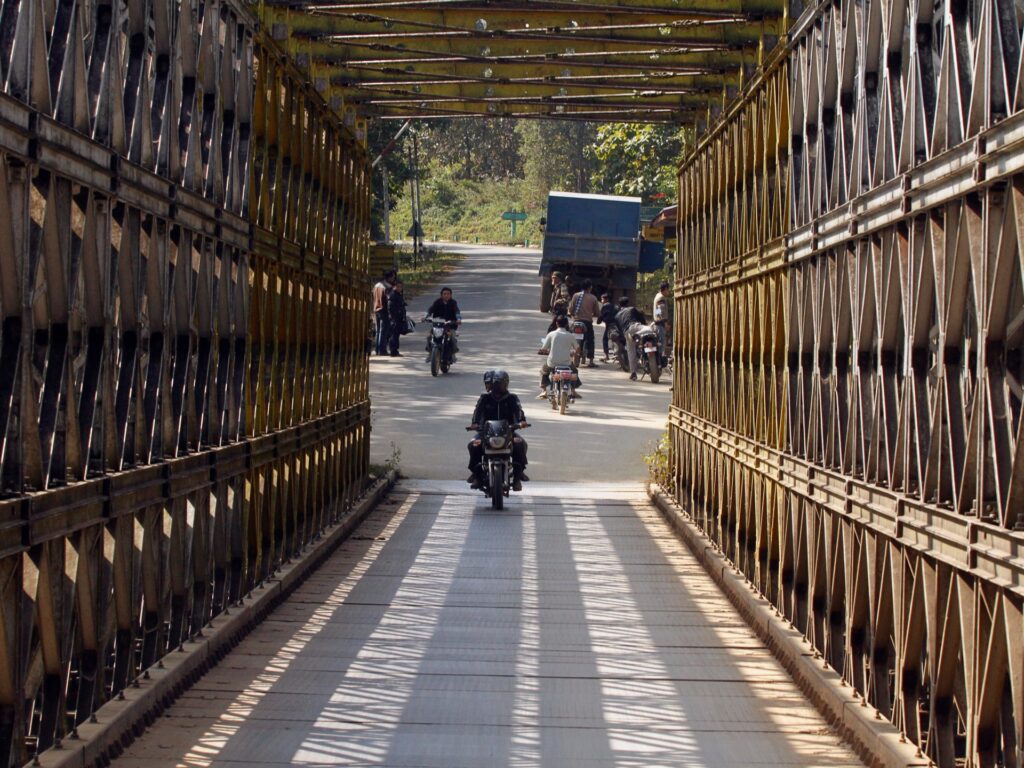
In a significant development, Indian authorities have arrested six Ukrainian nationals and one American under stringent anti-terrorism laws. The arrests stem from allegations that these individuals unlawfully crossed the border from India into Myanmar with the objective of training armed groups in drone warfare techniques.
The detained individuals, hailing from the United States and Ukraine, are accused of engaging in activities that raise serious national security concerns. According to Indian law enforcement sources, the group aimed to provide advanced training to insurgent factions, potentially escalating regional conflicts by enhancing their operational capabilities using drones.
This incident highlights the increasing global concern over the use of drones in asymmetric warfare, where non-state actors leverage technology to conduct surveillance, attacks, and other military operations. The arrested nationals are reportedly linked to efforts that could destabilize the security environment in Northeast India and neighboring Myanmar, areas already sensitive due to ongoing insurgencies and political unrest.
Indian officials have undertaken swift investigative action after monitoring suspicious movements and intelligence inputs indicating cross-border activities. The arrest underscores India’s emphasis on border security and its commitment to curb external influences that fuel militancy.
Legal experts indicate that the case will rigorously test the enforcement of India’s anti-terror statutes, particularly the Unlawful Activities (Prevention) Act (UAPA), which empowers authorities to act decisively against individuals involved in terrorism-related offenses.
The involvement of foreign nationals adds a complex dimension to the investigation, potentially involving diplomatic discussions and international cooperation. Authorities are working closely with foreign missions to manage the implications of the arrests while ensuring that India’s national security interests are safeguarded.
This event serves as a reminder of the evolving nature of global terrorism, where technology and international networks complicate counter-terrorism efforts. It also underscores the necessity for continuous vigilance and collaboration among nations to prevent the misuse of emerging technological warfare tactics.
Further details are expected to emerge as investigations proceed. The arrests mark a proactive stance by India against the exploitation of its territory for activities that threaten peace and security both domestically and in the region.