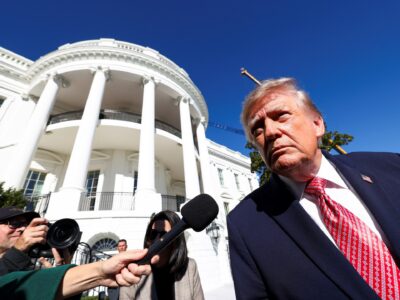
In a significant de-escalation move, former U.S. President Donald Trump has ordered a five-day halt to U.S. attacks on Iran’s energy infrastructure. This decision comes amid escalating tensions between the U.S., Israel, and Iran, where rhetoric and military actions have intensified drastically in recent days.
The backdrop to this development is the ongoing conflict involving Iran and its regional adversaries, primarily the U.S. and Israel. The Biden administration has maintained a hard line against Tehran’s nuclear ambitions and regional influence, but Trump’s temporary pause on attacks marks a rare moment of restraint.
This five-day moratorium halts strikes targeting critical Iranian energy facilities, a key sector that has been a focus in efforts to pressure Tehran economically and politically. The attack freeze aims to provide a window for diplomatic efforts or to recalibrate U.S. military strategy in the region.
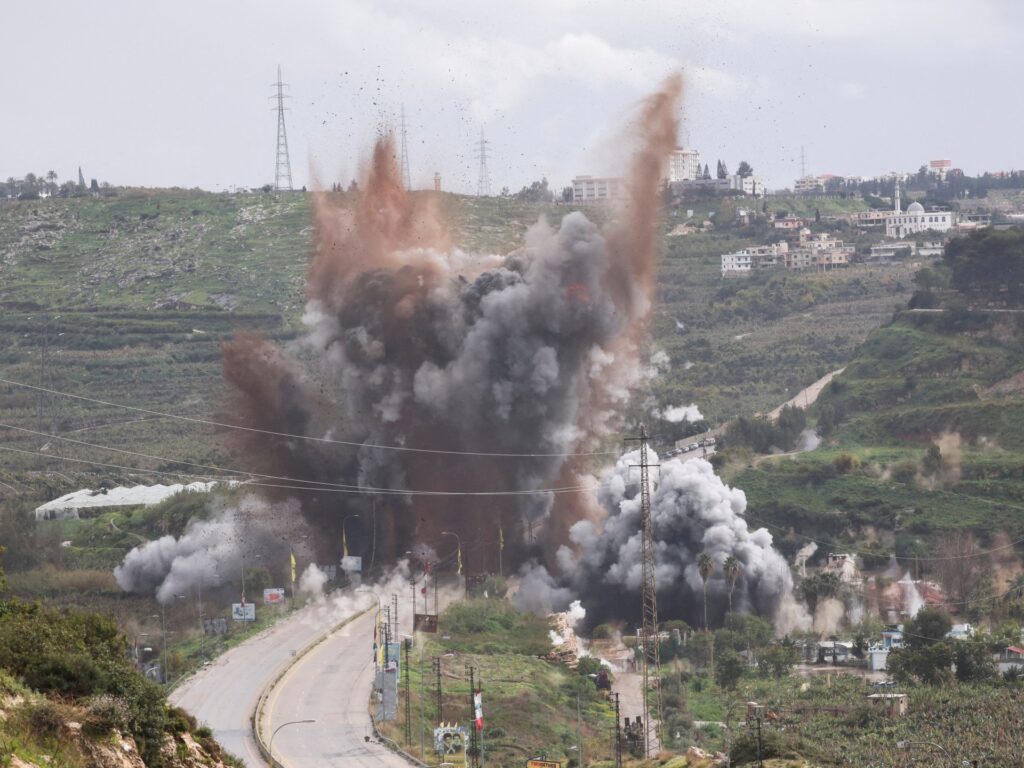
Meanwhile, Israeli military forces have escalated their own operations against Iran’s proxies in the region, particularly within Lebanon. Israeli forces have recently destroyed the Qasimiyah Bridge in southern Lebanon, a crucial infrastructure link reportedly used for military logistics by Hezbollah, an Iran-backed militant group.
The destruction of the Qasimiyah Bridge marks a significant escalation in the Israeli military campaign aimed at curbing Iran’s influence and proxy capabilities in Lebanon. Israeli officials assert that disrupting these logistical routes will weaken Hezbollah’s operational capacity and deter further militant activity against Israel.
This strategic strike has heightened tensions along Israel’s northern border, a flashpoint for conflict in the region. Lebanese officials have condemned the attack as a violation of sovereignty and an act of aggression, warning of potential retaliatory measures by Hezbollah.
The combination of Trump’s moratorium on U.S. attacks and Israel’s intensified military actions highlights the complex dynamics at play in the Middle East. While the U.S. seeks to manage direct conflict with Iran carefully, its ally Israel continues aggressive operations aimed at curbing Iran’s regional malign influence.
Analysts suggest that this period of restrained U.S. military engagement could be used to recalibrate international diplomatic efforts, potentially involving European and Middle Eastern mediators seeking to reduce the risk of a broader regional war.
However, the destruction of key infrastructure like the Qasimiyah Bridge and the continued harsh rhetoric from all sides underscore the fragile and volatile situation. The risk of miscalculation leading to a larger conflict remains high, as Iran, Israel, and the U.S. maneuver across a delicate geopolitical chessboard.
International observers call for restraint from all parties and emphasize the urgent need for renewed diplomacy to address the underlying causes of the conflict. They warn that further military escalations could destabilize the entire region, impacting global energy markets and international security.
As the five-day pause on U.S. attacks enters its initial stages, all eyes remain on Tehran’s response and any potential shifts in the tactical environment. The coming days could prove pivotal in determining whether a pathway to dialogue can be established or whether the situation will descend further into conflict.
This evolving conflict in the Middle East continues to be a focal point of global geopolitical concerns, with wide-reaching implications for peace and stability in the region and beyond.