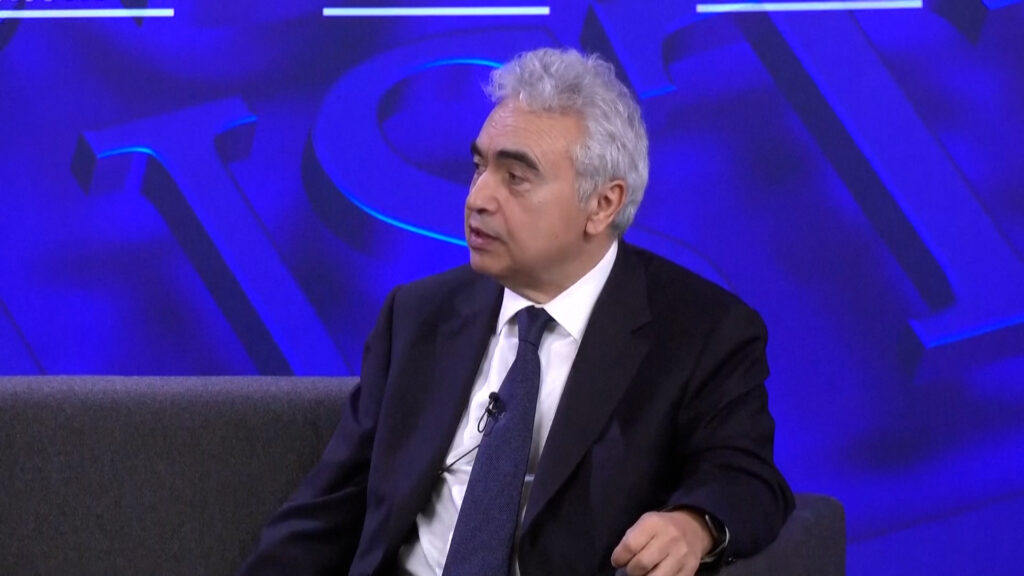
The International Energy Agency (IEA) has issued a stark warning about a looming global energy crisis that could be classified as ‘very severe.’ This warning comes amid escalating tensions and conflict involving Iran, which threatens to disrupt global oil supplies significantly. Fatih Birol, the Executive Director of the IEA, emphasized the critical nature of the situation, alerting that the energy market faces unprecedented challenges that could worsen if the conflict escalates further.
The ongoing conflict has placed considerable strain on the already fragile global energy infrastructure. Iran, a key player in the oil market, holds substantial sway over oil exports, and any disruption stemming from the conflict could lead to tightened supply and sharp price increases worldwide. Birol noted that the IEA is prepared to take strategic actions to mitigate the impact, including the potential release of additional oil reserves to stabilize the market.
Oil prices have already begun to show volatility in response to the uncertainty surrounding the conflict. Markets worldwide are reacting with concern to potential supply shortages, which could ripple through various sectors dependent on affordable and reliable energy. This energy crunch threatens not only economic stability in oil-importing nations but also exacerbates inflationary pressures globally.
The IEA’s response underscores the interconnected nature of global energy security and geopolitical stability. Fatih Birol urged nations to collaborate closely to manage the crisis effectively, emphasizing the importance of energy diversification, increased production, and strategic reserves. He cautioned that without coordinated international efforts, the risk of a profound energy shortage could deepen, impacting everything from transportation to manufacturing and daily living costs.
This announcement comes at a critical time as many countries are still navigating the aftermath of the COVID-19 pandemic, which disrupted supply chains and energy demand patterns. The added stress from the Iran conflict and its potential to cause significant oil supply shortages could set back economic recovery efforts globally.
Experts warn that the crisis could accelerate shifts toward renewable energy sources and highlight the urgent need for energy efficiency improvements. However, such transitions take time, and immediate measures are necessary to address the short-term supply challenges the world faces.
The IEA’s prospective release of oil reserves aims to ease market pressures temporarily but is not a long-term solution. Fatih Birol reiterated the need for sustainable strategies that involve boosting oil production where feasible, accelerating clean energy investments, and strengthening global energy governance frameworks.
In conclusion, the global community stands at a crossroads with respect to energy security. The Iran conflict injects significant uncertainty into the market, making it imperative for nations to act decisively. The IEA’s warning serves as a crucial call to action to prevent what could escalate into a very severe global energy crisis with widespread economic and social repercussions.