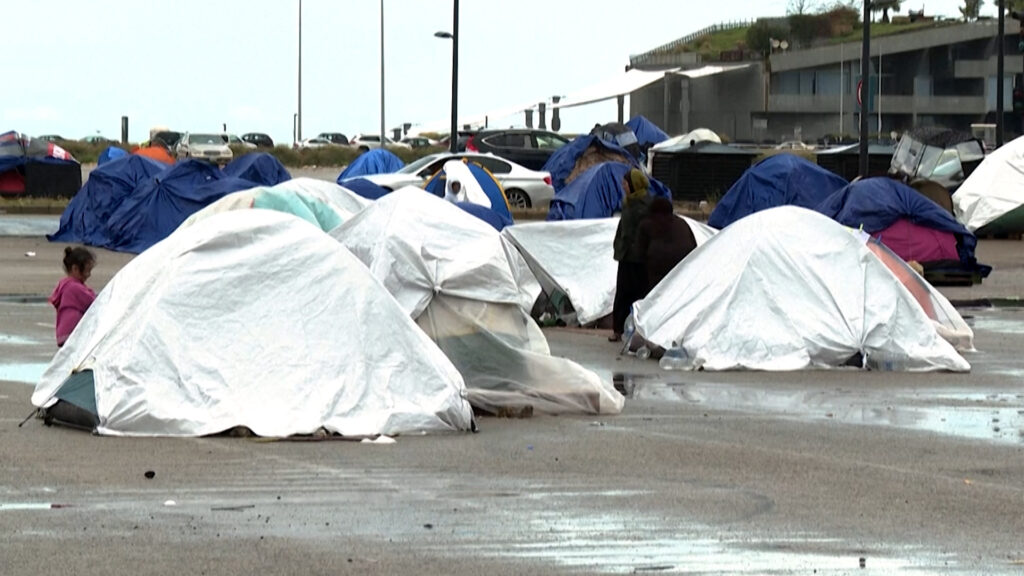
In the wake of recent Israeli strikes, numerous families displaced from their homes in Beirut have found refuge in makeshift tents scattered across the city. The strikes have caused widespread destruction, forcing many residents to flee their damaged residences in search of safety. These displaced families are now living under fragile shelter conditions, braving the elements as rain falls over the Lebanese capital, adding to their hardship.
The situation highlights the severe humanitarian impact of the conflict in the region. As military actions continue, the civilian population bears the brunt, facing not only the loss of homes but also the uncertainty of their future. Aid organizations and local volunteers have mobilized to provide emergency relief, including food, blankets, and medical care, yet resources remain limited in the face of growing needs.
Beirut’s infrastructure has been significantly affected, with utilities disrupted and medical facilities overwhelmed. The tents hosting these displaced families are temporary solutions, offering minimal protection from the cold and wet conditions caused by ongoing rainfall. The government and international community are being called upon to increase their support and to facilitate efforts aimed at stabilizing the situation.
The displaced families’ plight underscores the urgent need for a ceasefire and sustained peace efforts in the region. As the conflict persists, the humanitarian crisis deepens, demanding immediate attention to alleviate the suffering of civilians caught in the crossfire. In these dire times, the resilience of Beirut’s population is being tested, as they navigate the challenges of displacement and insecurity while hoping for a swift resolution to the hostilities.