The latest exit polls from Slovenia’s general election reveal a very close contest between the governing liberals and the opposition conservatives, with the Freedom Movement Party edging slightly ahead. This development marks a critical point in the country’s political landscape as the nation observes a delicate balance of power.
According to early exit polling data, the Freedom Movement Party, often described as centrist-liberal, has managed to secure a narrow lead over the conservative bloc, which has traditionally held sway in Slovenian politics. The margin between the two groups is slim, indicating a highly competitive election whose final outcome remains uncertain.
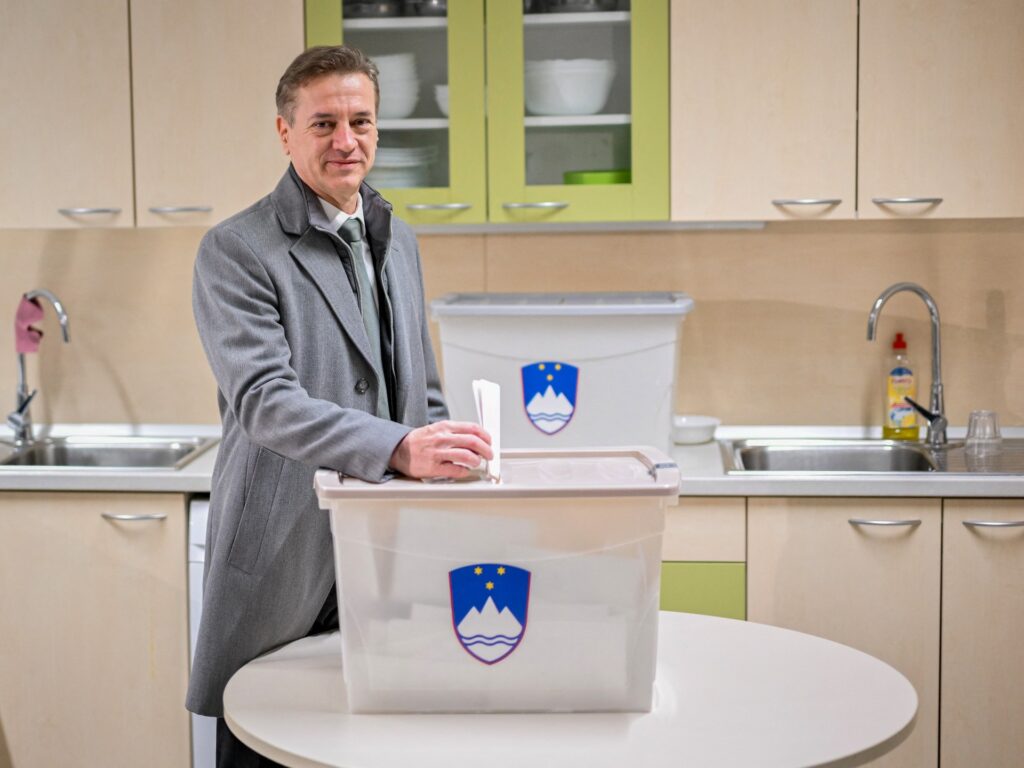
Voter turnout across Slovenia was robust, reflecting a high level of civic engagement and interest in the future direction of the government. The electoral race has drawn heightened attention due to key issues such as economic policy, European Union relations, and social reforms.
The Freedom Movement Party, which has been in power leading the government coalition, campaigned on promises of progressive policies and maintaining Slovenia’s role within the European Union’s framework. Their message seems to have resonated well with urban voters and younger demographics.
Conversely, the conservative opposition has emphasized traditional values, economic stability through more market-oriented reforms, and cautious approaches to international affairs. This resonates with a significant portion of the electorate, especially in rural and older constituencies.
Political analysts suggest that the final parliamentary seats distribution will be crucial in determining the next government and its policy orientation. With such a close result, coalition talks are expected to be complex and protracted.
The political tension and uncertainty following the exit poll results underscore the dynamic nature of Slovenia’s multiparty system. Both sides have expressed readiness to engage in dialogue but remain committed to their political agendas.
International observers and the European Union have expressed interest in the election outcomes, given Slovenia’s strategic position in Central Europe and its role as an EU member state.
The current scenario leaves the country in a state of anticipation, awaiting the official results that will clarify the composition of Slovenia’s next parliament. The political future hinges on this decisive election, which is shaping up to be one of the most competitive in recent years.
As the vote counting proceeds, all eyes are on Slovenia’s Freedom Movement Party and its conservative rivals, each vying to shape the nation’s future. This electoral race serves as a testament to the vibrant democratic processes at work and illustrates the ongoing evolution of Slovenian political culture.