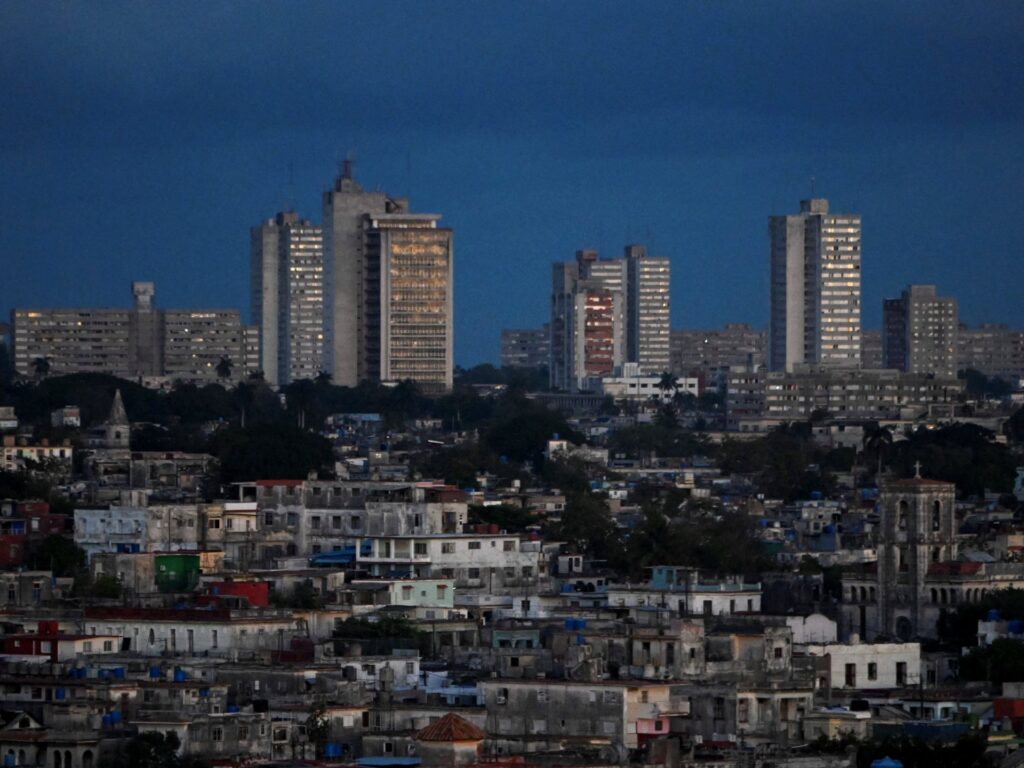
Cuba has recently emerged from a significant blackout, during which authorities have now declared the country ready to face any potential military actions from the United States. This development comes amid heightened tensions between the two nations, particularly after former US President Donald Trump’s administration took stringent measures against Cuba and its allies.
The blackout itself was a major event, affecting the island nation’s infrastructure and daily life. While details about the cause remain limited, Cuban officials have framed this incident within the broader context of external pressures and threats.
Historically, the relationship between Cuba and the US has been fraught with conflicts, sanctions, and political confrontation. The latest escalation traces back to Trump’s policies, wherein his administration cut off oil supplies to Cuba. This strategic move was notably linked to actions involving political interference in the region, particularly the abduction of Venezuela’s then-President Nicolás Maduro. Maduro, a close ally of Cuba, remains a contentious figure in Latin American politics.
Further intensifying the situation, Trump publicly threatened to take over Cuba, signaling a hardline stance against the communist government on the island. These threats have exacerbated fears of a potential US invasion or aggressive intervention, prompting Cuba to heighten its defense readiness.
Cuban officials have issued statements underscoring their preparedness to defend the sovereignty and security of the nation against any external aggression. The recent blackout episode has been used by Cuban authorities to rally national unity and support for the government’s defensive posture.
Observers and analysts note that the US continues to exert pressure on Cuba through economic sanctions and diplomatic isolation, aiming to undermine the Cuban government’s stability and its regional influence.
Despite these challenges, Cuba remains steadfast in its political ideology and alliances, maintaining close ties with Venezuela and other sympathetic nations.
The international community is closely watching the developments in Cuba, wary of any escalation that could destabilize the region further. Many call for diplomacy and dialogue to ease tensions and prevent conflict.
In summary, Cuba’s emergence from the blackout is marked by a firm declaration of readiness to confront any US-led attacks, a direct consequence of escalating geopolitical friction under Trump-era policies that have severely impacted the Cuban economy and security landscape.