The geopolitical tensions in the Middle East are escalating as Iranian authorities have issued provocative remarks targeting the United States, Israel, and the European Union. This rhetorical escalation comes amidst a backdrop of increasing strikes and a series of high-profile assassinations that have rattled the region.
Iranian officials appear to be employing a strategy of open defiance aimed at their adversaries, warning of serious repercussions if attacks continue. These taunts highlight the deepening hostilities between Tehran and the Western-aligned powers, particularly the US and Israel, whose covert and overt actions have raised alarm bells across Iran.
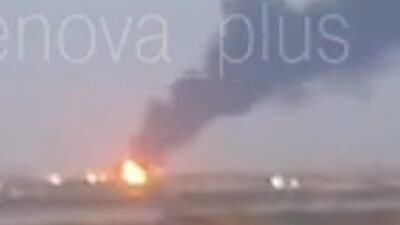
One of the most significant sources of Iranian concern is the security of vital infrastructure, particularly power plants. Reports indicate an expanding scope of military and covert operations that could potentially target these crucial facilities. Power plants are not only essential for the nation’s energy supply but also symbolic of Iran’s technical and industrial advancement.
The Iranian government has underscored the potential for major retaliations in response to any aggression against its infrastructure. This defensive posture demonstrates their intent to safeguard national sovereignty while also projecting strength amidst growing external pressures.
The citizens of Iran share these concerns deeply, with widespread anxiety about the consequences of further conflicts. The fear is that attacks on power infrastructure could lead to prolonged blackouts, economic destabilization, and humanitarian challenges that would impact everyday life.
Meanwhile, international observers are closely monitoring the situation. The EU and other global entities have expressed calls for restraint and dialogue but face challenges in influencing the rapidly evolving events on the ground. The tit-for-tat dynamics between the involved parties show few signs of abating.
Further complicating the landscape are the recent assassinations linked to intelligence and security operations. Analysts believe these killings are part of a broader strategy to destabilize Iranian leadership and diminish its operational capabilities.
These developments have triggered concerns across the region and among global powers about the potential for wider conflict escalation. The proxy nature of the engagements, involving multiple nations through indirect means, adds layers of complexity to diplomatic efforts aimed at peace.
Iran’s taunting tone is not merely bravado but a calculated measure reflecting its resilience and readiness to respond to hostile actions. This posture serves both as a message to its adversaries and as an internal signal of resolve.
As the situation unfolds, the international community remains watchful. The challenge lies in balancing deterrence with diplomacy to prevent further instability and to safeguard the welfare of civilians caught in the crossfire.
In summary, the Iranian authorities’ taunting of the US, Israel, and the EU amid strikes and assassinations underscores the critical and volatile nature of current Middle Eastern geopolitics. The potential targeting of power infrastructure has sparked widespread concern among Iranians, signaling an urgent need for de-escalation and dialogue to avert broader conflict and humanitarian crises.