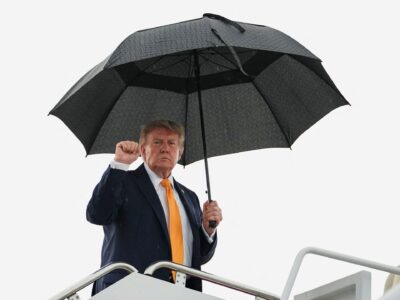
On day 23 of the ongoing conflict involving US and Israeli attacks on Iran, tensions have significantly escalated following recent military and political developments. The United States, under the administration led by Donald Trump, has issued stern warnings to Iran regarding its control over the Strait of Hormuz, a crucial maritime chokepoint through which a significant portion of the world’s oil supply passes. Trump has threatened to target Iranian energy infrastructure if the Strait is not promptly reopened to international shipping, intensifying the already high-stakes conflict.
The Strait of Hormuz holds immense strategic importance, and its closure or disruption would have far-reaching implications for global energy markets and geopolitical stability. Iran’s control over this vital waterway gives it leverage in the ongoing confrontation, allowing it to exert pressure on its adversaries by threatening the flow of oil and gas.
In response to the US threats, Tehran has vowed to retaliate firmly against any attacks on its energy sites, signaling a potential escalation that could draw the region into an even deeper crisis. Iranian officials have emphasized their resolve to defend their sovereignty and have hinted at possible countermeasures that could further destabilize the region.
The conflict’s roots lie in longstanding geopolitical tensions and disputes surrounding Iran’s nuclear program, regional influence, and alliances. The US and Israel have accused Iran of sponsoring terrorism and pursuing nuclear weapons under the guise of peaceful energy development, claims Tehran vehemently denies.
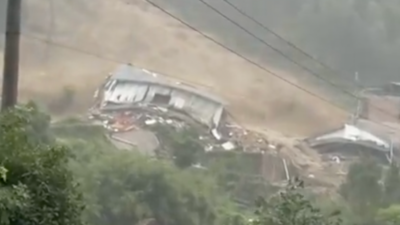
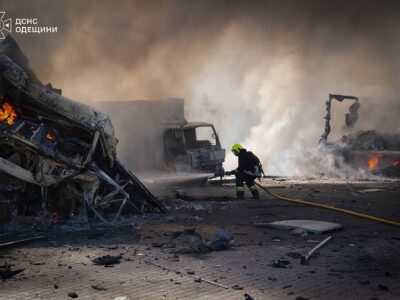
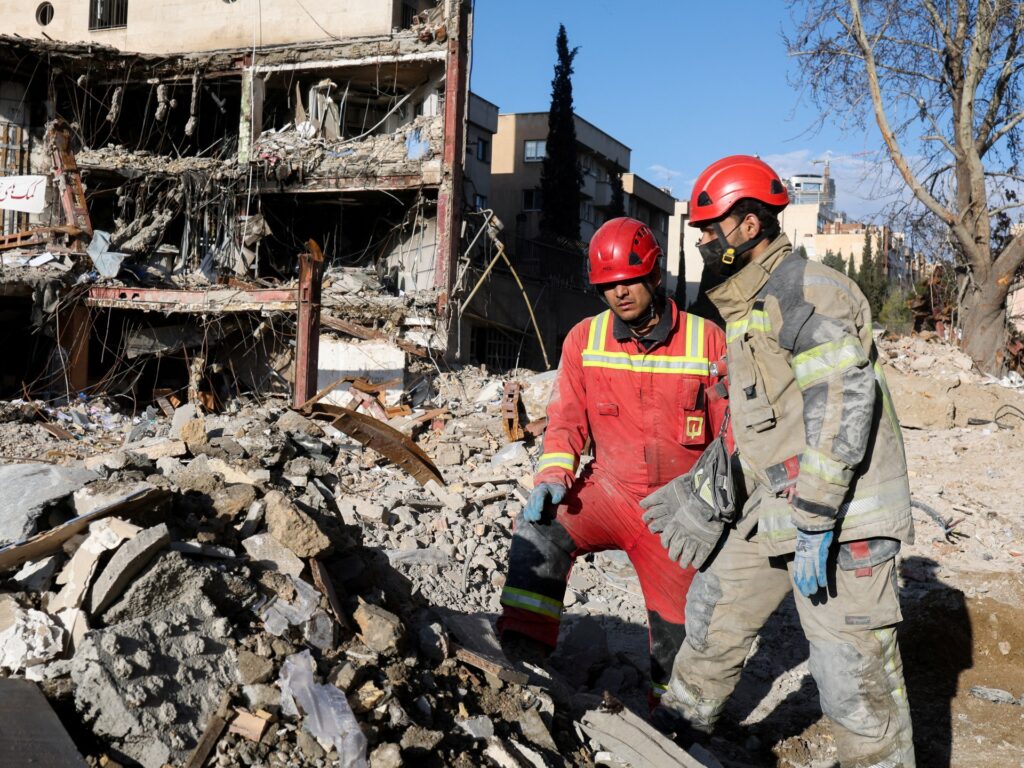
Since the onset of the hostilities, both sides have engaged in a series of military maneuvers, including airstrikes and cyber-attacks, aimed at weakening each other’s strategic capabilities. The day 23 report highlights ongoing US-Israeli airstrikes on Iranian military installations, which have resulted in casualties and infrastructure damage.
International actors have expressed deep concern over the escalation, calling for restraint and diplomatic efforts to prevent a full-scale war. The United Nations and various countries have urged both sides to engage in dialogue, emphasizing the devastating consequences of a prolonged conflict.
The economic repercussions are already evident, with disruptions in oil supply causing fluctuations in global markets. The potential closure of the Strait of Hormuz has led to increased insurance premiums for shipping and fears of energy shortages, impacting industries worldwide.
Local populations in the affected regions are bearing the brunt of the conflict, facing displacement, economic hardships, and uncertainty about their future. Humanitarian organizations are monitoring the situation closely, preparing for potential crises resulting from intensified military engagements.
As the situation develops, the international community watches closely, hoping for a de-escalation and a return to negotiations. The coming days will be critical in determining whether diplomatic solutions can be pursued or if the conflict will spiral into broader regional instability.