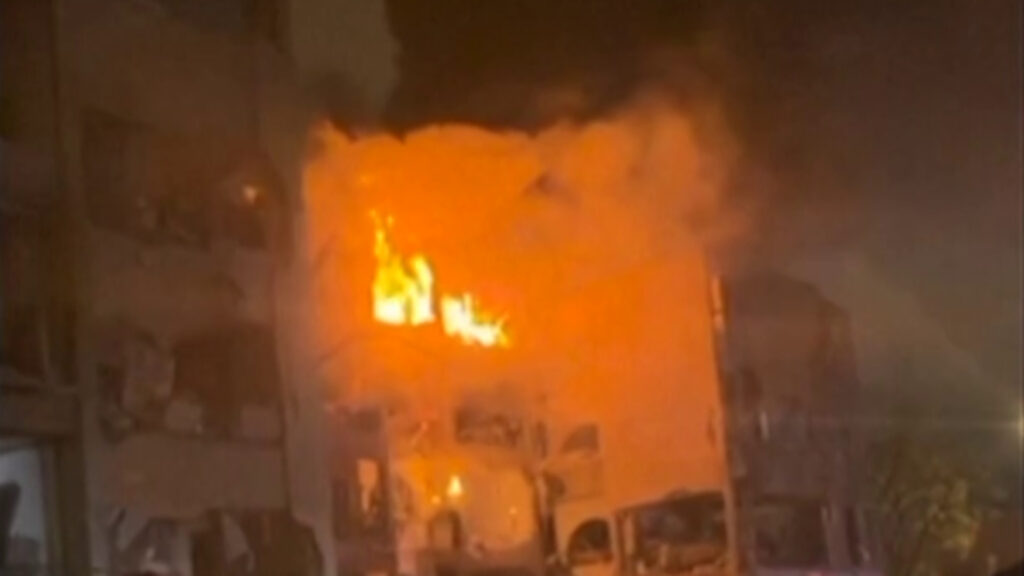
In a significant escalation of tensions in the Middle East, Iran has launched at least two missile strikes targeting southern Israel, marking a critical moment in regional conflict dynamics. This development has drawn intense international attention as it highlights the ongoing volatility and security challenges in the area.
The attacks reportedly managed to bypass Israel’s sophisticated air defense systems, which otherwise have a strong track record of intercepting incoming threats. This failure marks a pivotal moment for Israeli defense capabilities and raises urgent questions about the evolving nature of missile technology and countermeasures used in modern warfare.
The missile strikes began earlier this week, with rockets fired into southern Israeli territories. The affected areas have not disclosed extensive details on casualties or damage, but the incidents have prompted immediate emergency responses and heightening of alert levels across the country.
Analysts suggest that Iran’s decision to conduct these strikes could be motivated by a range of strategic interests, including asserting regional power, responding to perceived threats from Israel, or sending a message on the international stage.
This event also underscores the complex geopolitical landscape involving Iran, Israel, and their respective allies. The attacks come amid ongoing diplomatic tensions, military confrontations, and proxy conflicts in the region, often involving groups sponsored or supported by the Iranian government.
Israel’s air defense system, known globally for its Iron Dome and other missile interception technologies, has traditionally been seen as a strong shield against similar attacks. However, the successful penetration of at least two missiles suggests a potential gap or a new challenge in their current defense infrastructure.
Military experts are closely monitoring these developments to assess whether these strikes represent a new capability on the part of Iran or a tactical lapse in Israel’s defenses. Both scenarios carry significant implications for future conflict and security planning in the region.
The international community has responded with concern to the escalation, emphasizing the need for de-escalation and dialogue to prevent further violence. Countries and international organizations are urging both Iran and Israel to exercise restraint and resume diplomatic efforts to address their profound and longstanding disputes.
This episode serves as a reminder of the fragile security conditions in the Middle East and the continual risk of broader conflicts arising from localized incidents. It marks a call for renewed attention to peace-building and conflict resolution strategies that address the root causes of hostilities.
As the situation continues to evolve, there will be close scrutiny of Iran’s military tactics, Israel’s defense responses, and the broader implications for regional and global security. The coming days will be crucial in determining whether this escalation leads to further confrontations or a move towards negotiation.
In summary, Iran’s recent missile strikes on southern Israel have exposed vulnerabilities, heightened tensions, and underscored the urgent need for strategic dialogue and conflict management in one of the world’s most complex and volatile regions.