The European Union (EU) has issued a strong call to its member states to ramp up their natural gas storage in anticipation of the upcoming winter season. This urgent appeal comes in response to a sharp rise in gas prices, which have become highly volatile due to geopolitical tensions in the Middle East, particularly the ongoing conflict involving Iran.
Recently, Iran’s military actions included an attack on a critical gas facility in Qatar, a move that has exacerbated fears over gas supply security. These developments have led to heightened energy market instability, triggering a notable surge in natural gas prices across global markets.
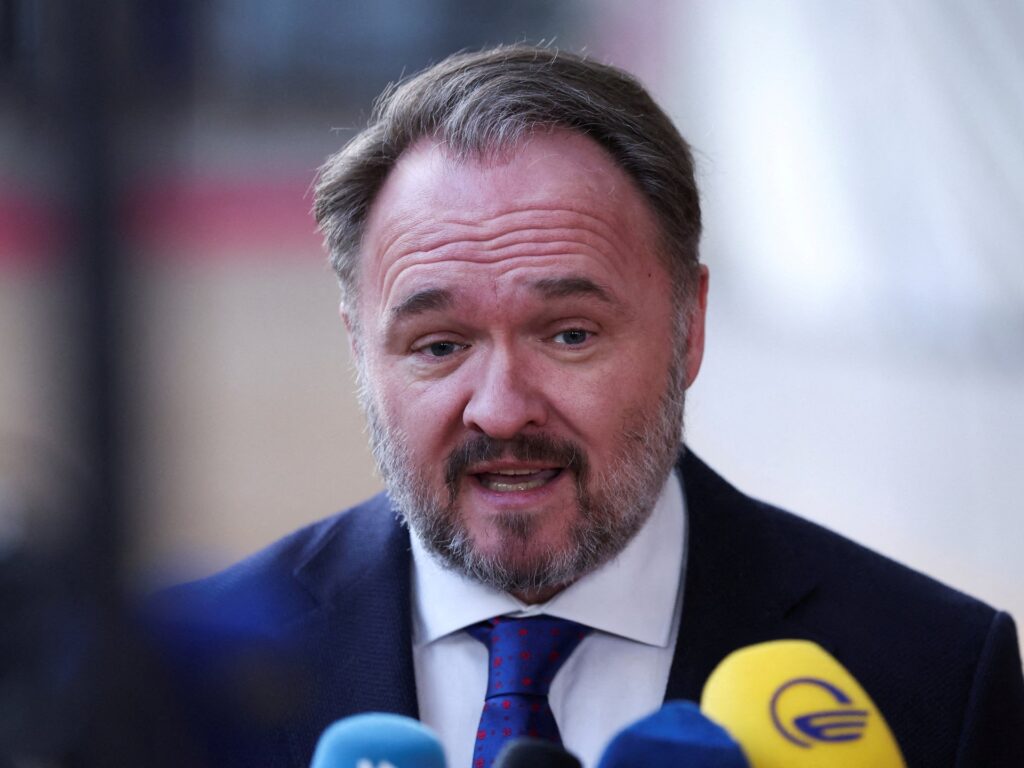
The EU’s energy commissioner highlighted that these high and unpredictable price fluctuations pose a significant risk to the bloc’s energy security and could undermine existing plans for gas storage levels. The concern is that without adequate stockpiling, member nations might face shortages during the winter months when demand for heating typically peaks.
In this volatile climate, the EU is emphasizing the strategic importance of robust gas reserves. Currently, many member states have not reached their full storage capacity, which could make them vulnerable if supplies from key external producers are disrupted.
The conflict involving Iran not only affects immediate gas production and supply lines but also shadows future energy negotiations and partnerships, especially with nations heavily dependent on Middle Eastern energy exports. The price surge puts additional pressure on EU governments to diversify energy sources and accelerate the transition to renewable energy systems to mitigate similar crises in the future.
Experts warn that the situation demands a combination of short-term emergency measures, such as increased gas storage and demand management, alongside long-term investments in sustainable energy. The EU’s coordinated response aims to shield consumers and industries from price shocks and ensure resilient energy access throughout the colder months.
This call for enhanced gas storage is part of wider EU energy policies designed to strengthen resilience against geopolitical risks and natural supply shocks. The bloc’s recent experience with energy supply difficulties has underscored the vulnerabilities of over-reliance on external sources, making increased domestic preparedness a priority.
In conclusion, the EU’s push for starting immediate gas storage ahead of the winter is a proactive measure to counterbalance the destabilizing impacts of the Iran conflict on energy markets. It reflects the broader goal of securing energy independence and stability amid an increasingly uncertain international landscape.